The Meteora Monasteries
Central Greece | Anno 2018
Rock Pillars and Hermits
Monastery of the Holy Trinity (Agia Triada)
Monastery of Saint Nicholas Anapausas
Rock Pillars and Hermits
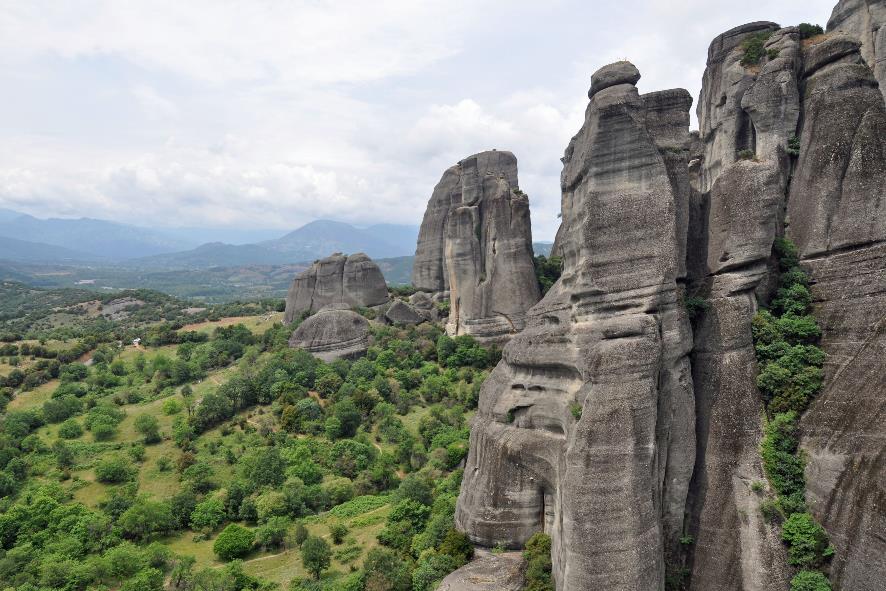
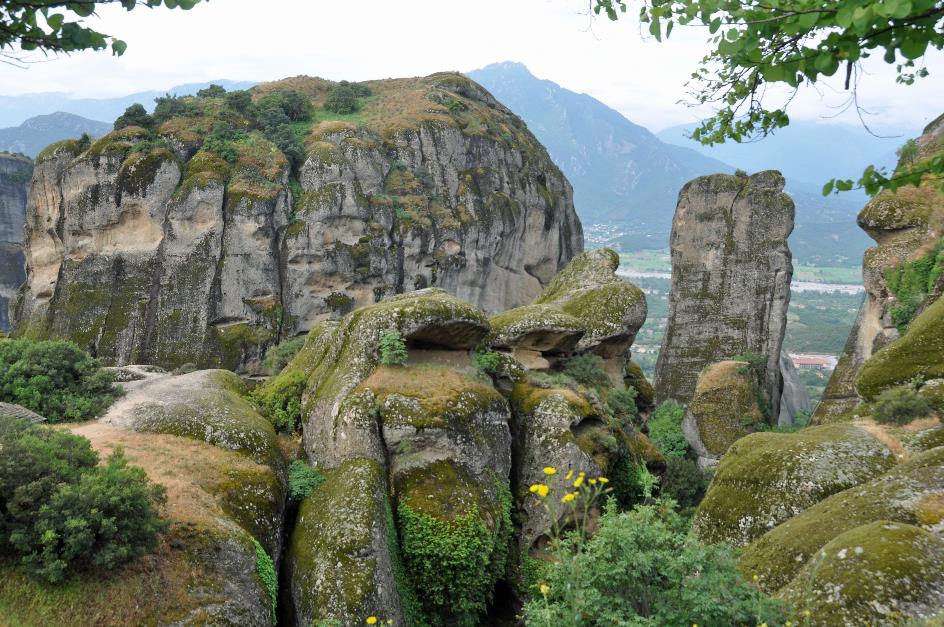
The rock pillars of Meteora consist of a mixture of sandstone and a conglomerate of pebbles. This material formed through the deposition of stone, sand and mud by rivers at the edge of a lake
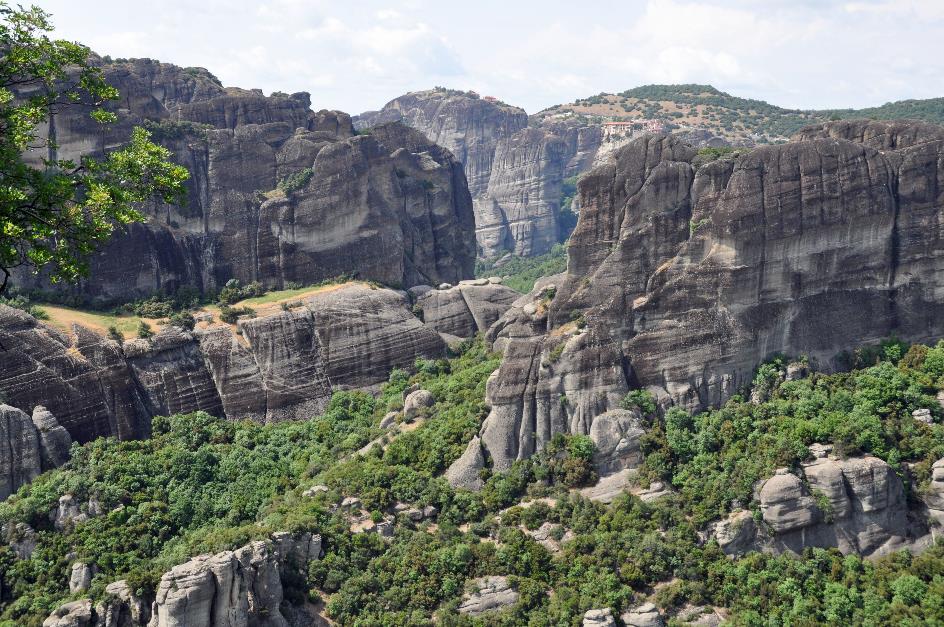
Around 60 million years ago, this area was uplifted, creating a plateau exposed to erosion by wind, water and temperature changes. Over time, these processes carved out the towering rock pillars
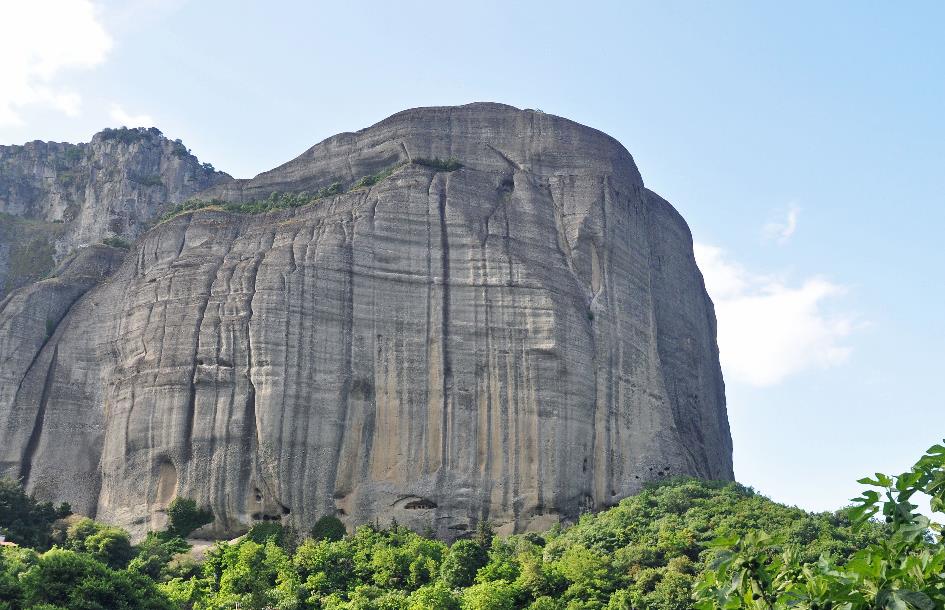
What makes Meteora unique, however, is the uniformity of the layers deposited over many millions of years. Unlike typical sedimentary rock formations, there are no clearly visible coloured bands here
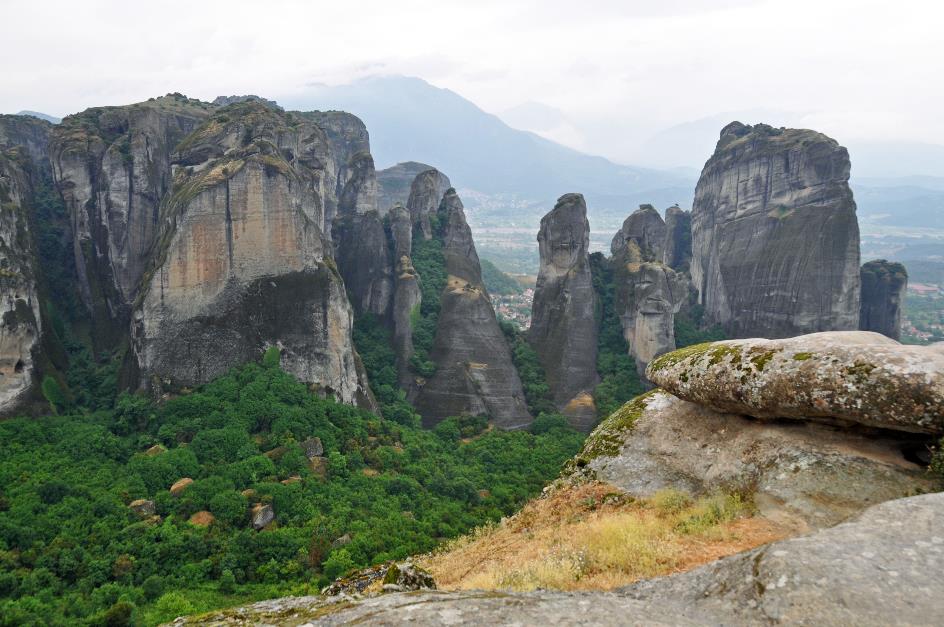
This rugged environment, far from the bustle of everyday life and closer to God, attracted ascetic hermits from the 9th century onwards
The First Monasteries
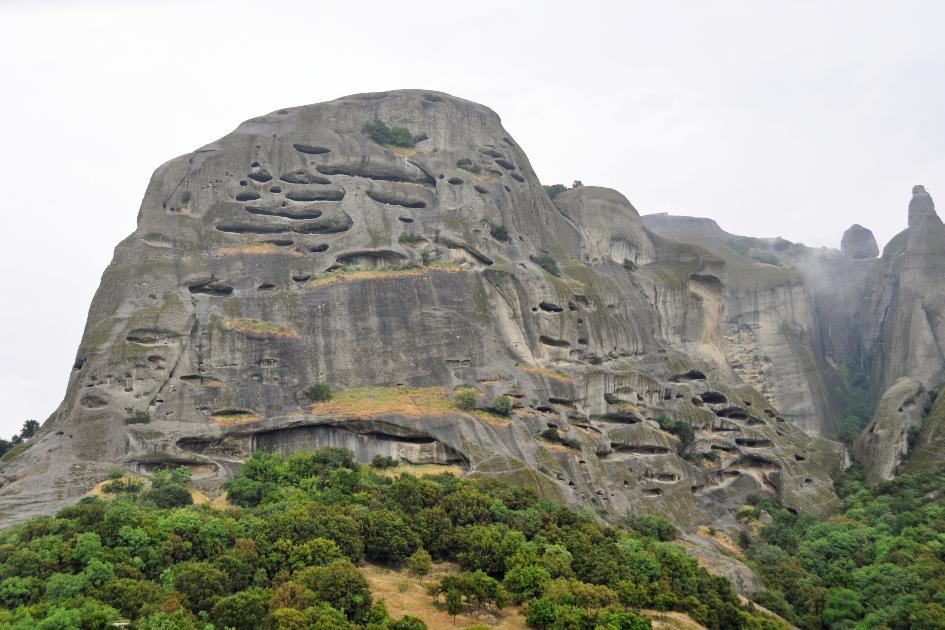
The ascetics lived in hard-to-reach hollows and crevices in the rocks, where they could devote themselves undisturbed to contemplation
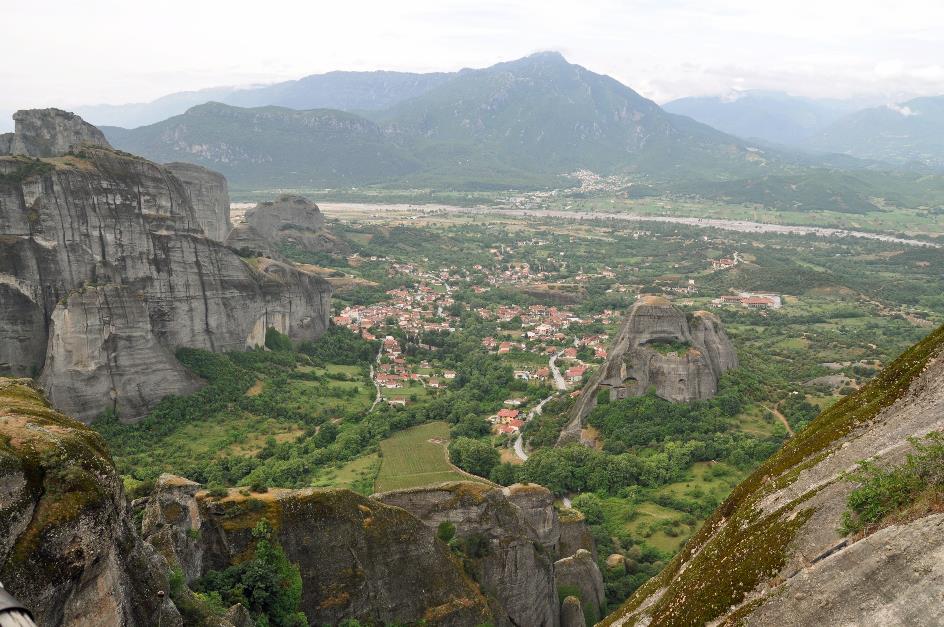
At the end of the 11th century, the first skete formed on the rock of Dupiani (right of centre in the image). This skete was an informal monastic community dedicated to the Holy Virgin of Dupiani
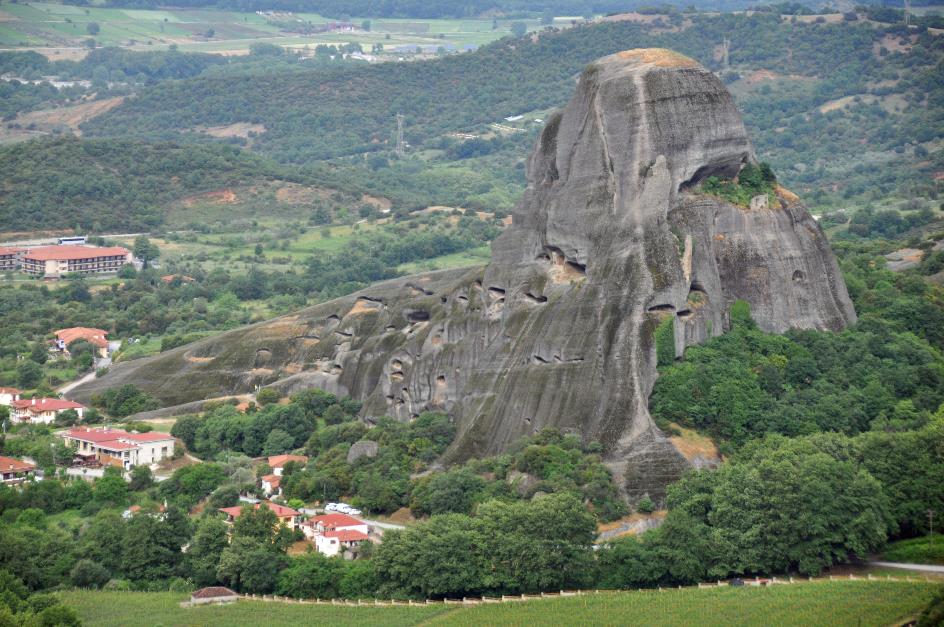
In such a skete, the monks lived their own lives in separate caves but shared common services and resources
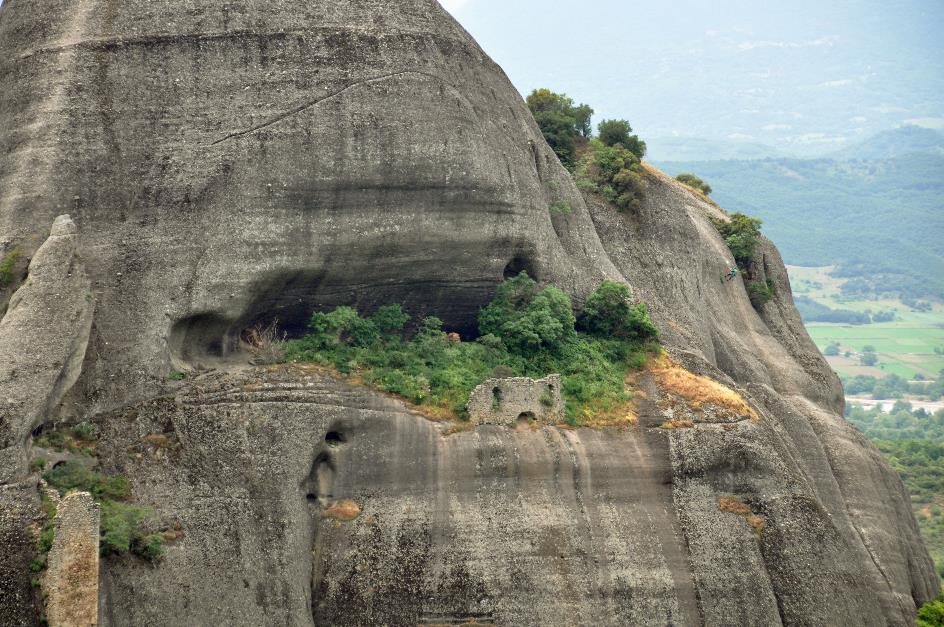
The ruins of the Monastery of the Pantocrator are located in a rock fissure on the eastern flank of Dupiani
To reach the Monastery of the Pantocrator, one has to engage in rock climbing |
|
On the rock formation of Agia stood the Monastery of the Holy Apostles |
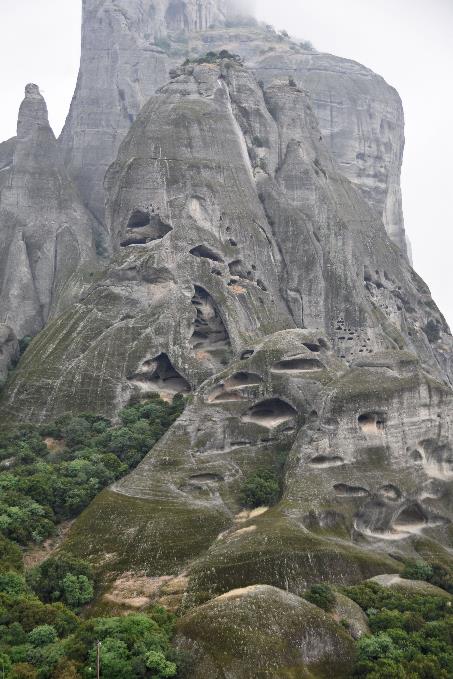
The Monastery of the Holy Spirit in the Holy Spirit Rock is sometimes called the “monks’ prison.” Life there can hardly have been comfortable |
|
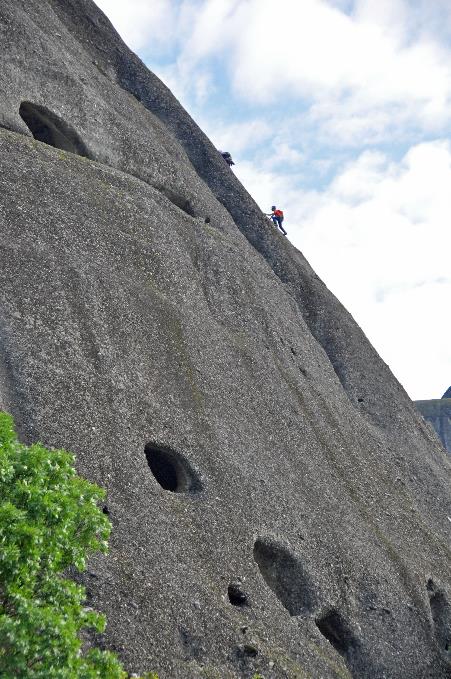
On the northern side of Dupiani Rock, about forty metres above ground level, lies the cave of Saint George Mantilla |
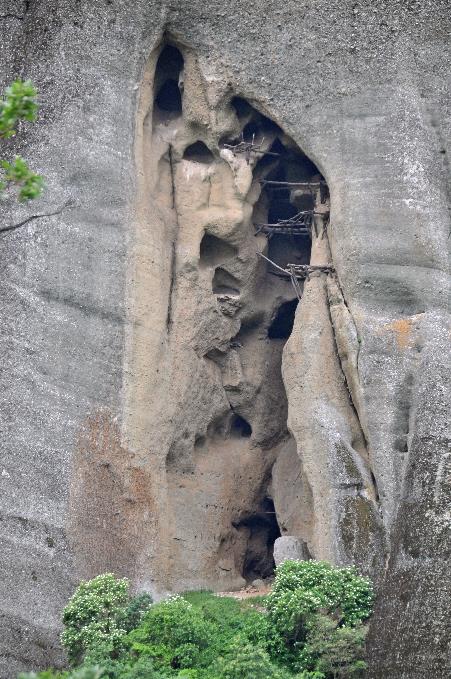
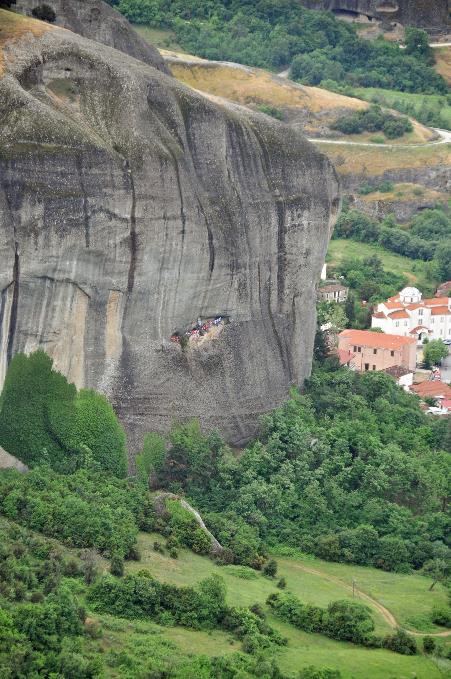
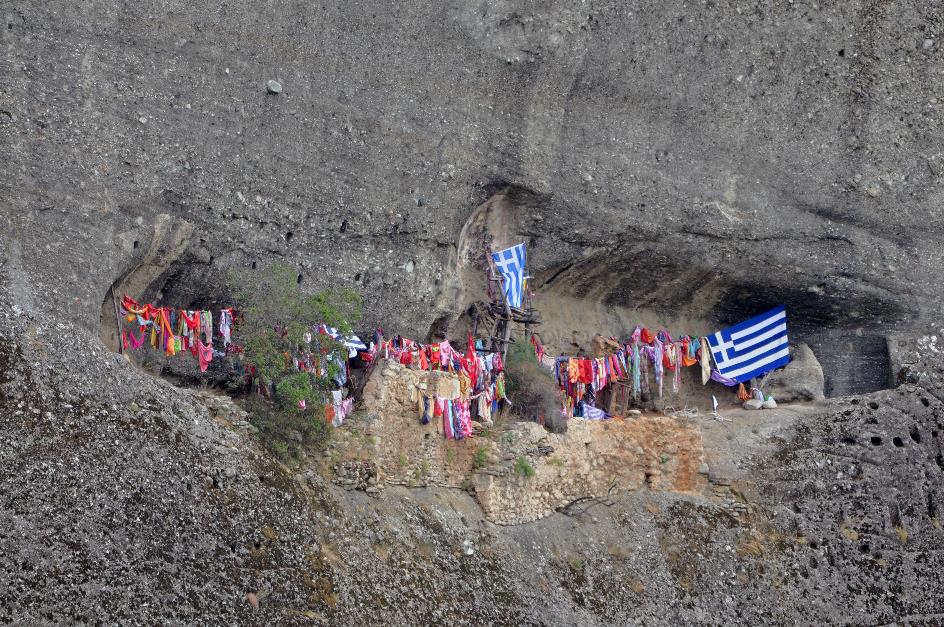
Using ropes, young people climb the near-vertical rock face every year to hang hundreds of colourful scarves in honour of Saint George in the cave, and to bring the old scarves back down again – a tradition that began in the early 17th century
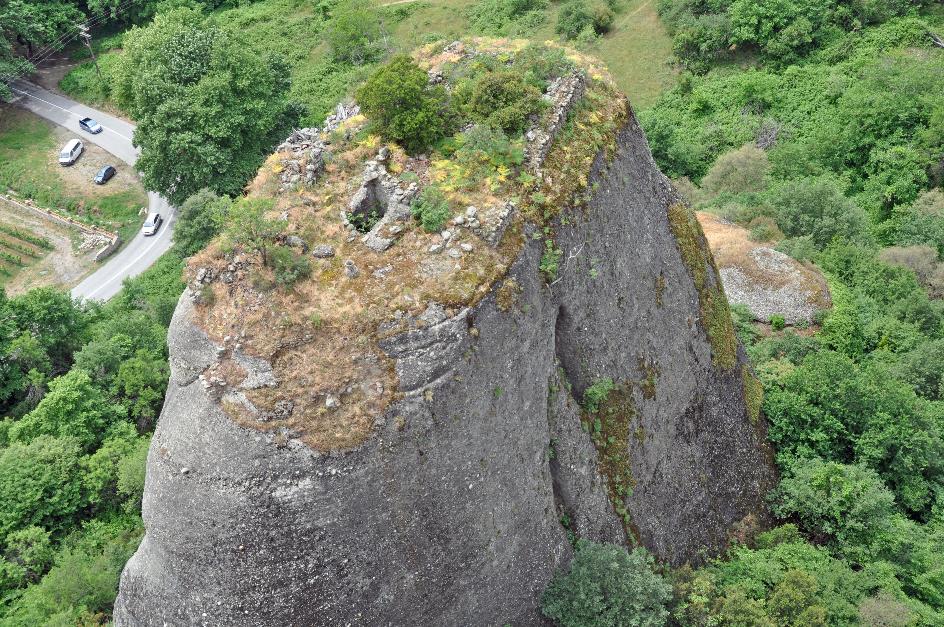
Ruins of the Monastery of John the Baptist
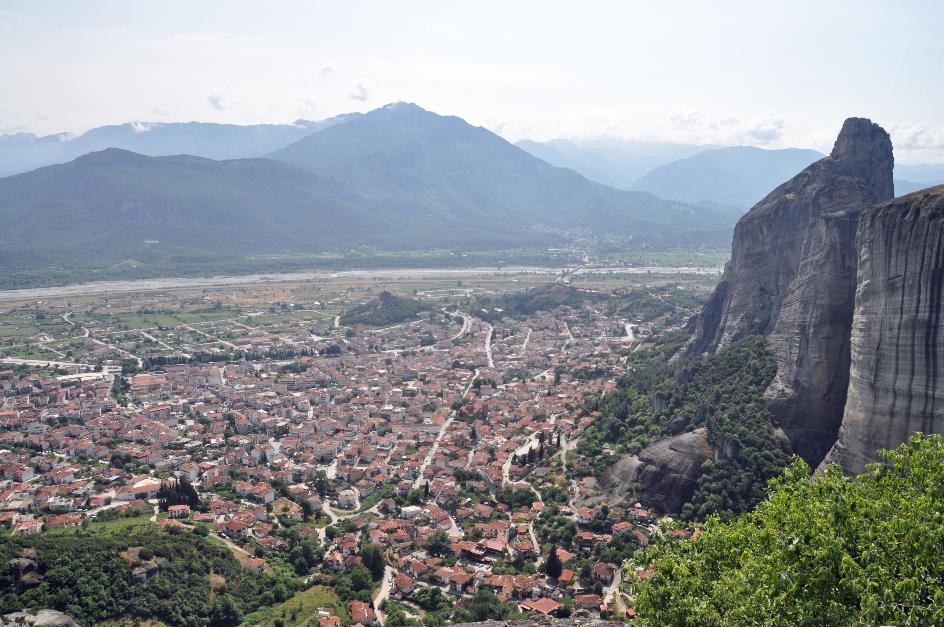
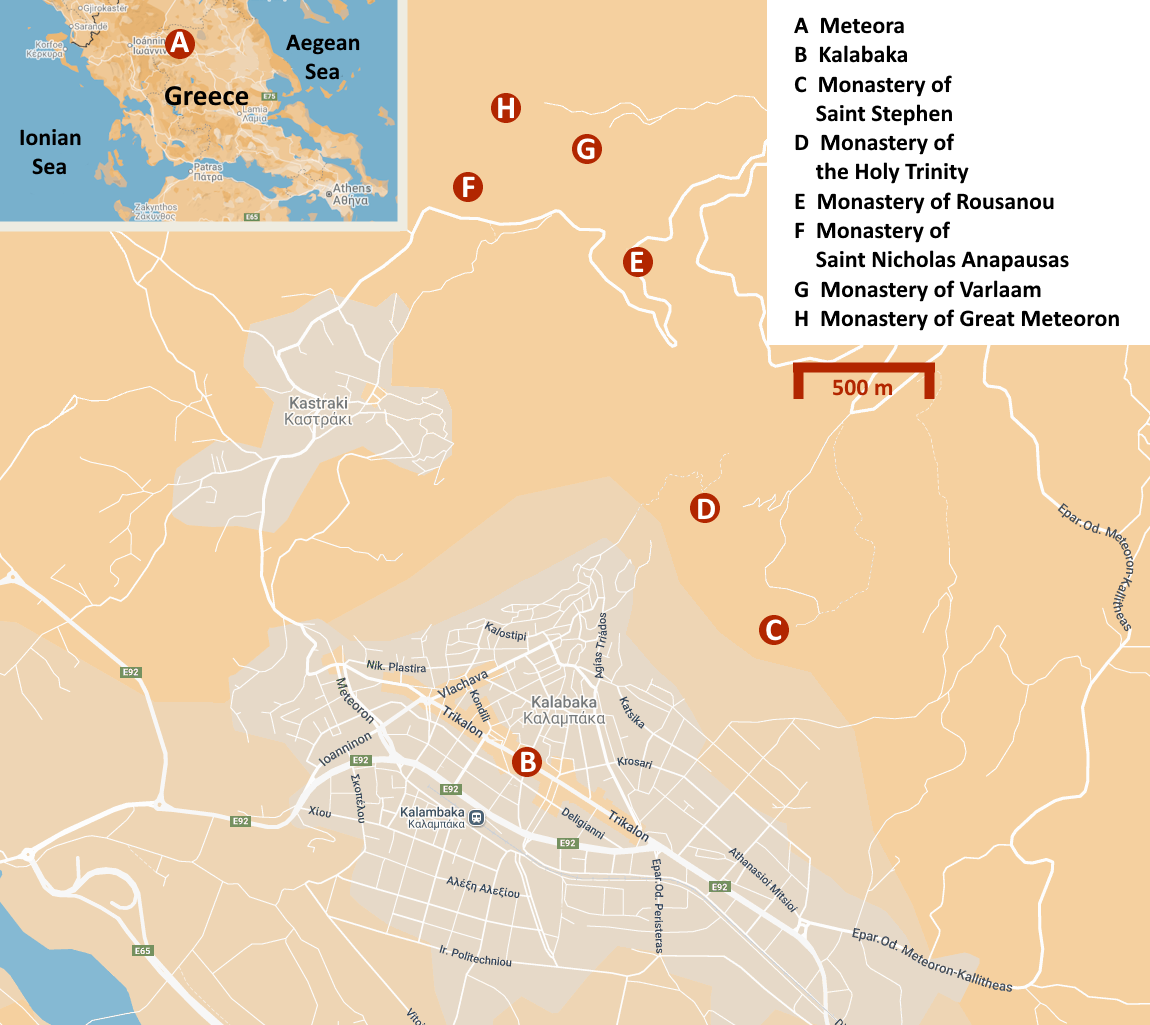
Kalabaka, at the foot of Meteora, lies about 240 metres above sea level
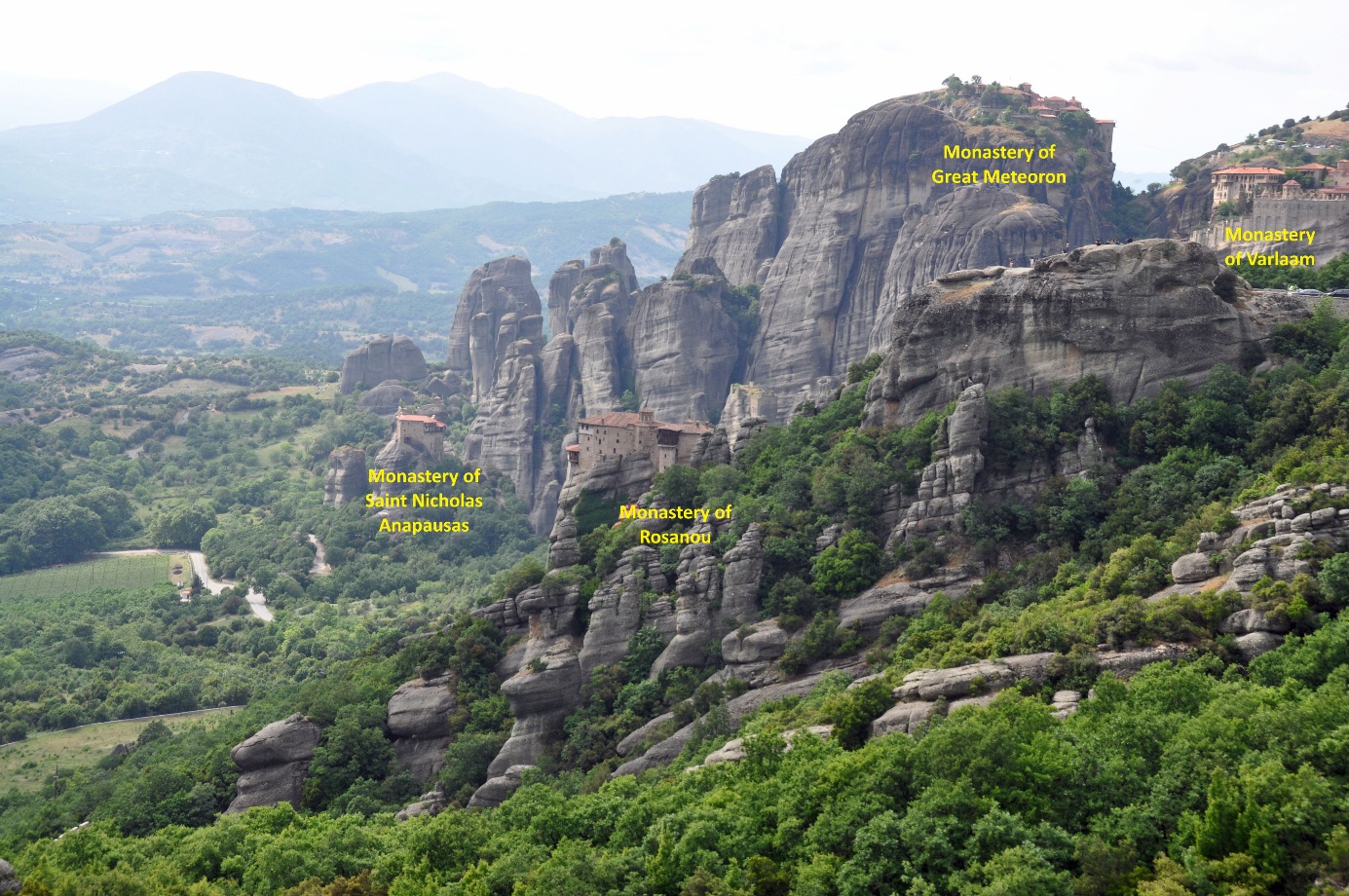
View from Psaropetra of four of the six monasteries that are still active. The Monastery of Saint Nicholas Anapausas is the lowest-lying and is situated at 419 metres above sea level. At 613 metres, Great Meteoron is the highest monastery. Since 1988, the six monasteries have been part of the UNESCO World Heritage List
Monastery of Saint Stephen
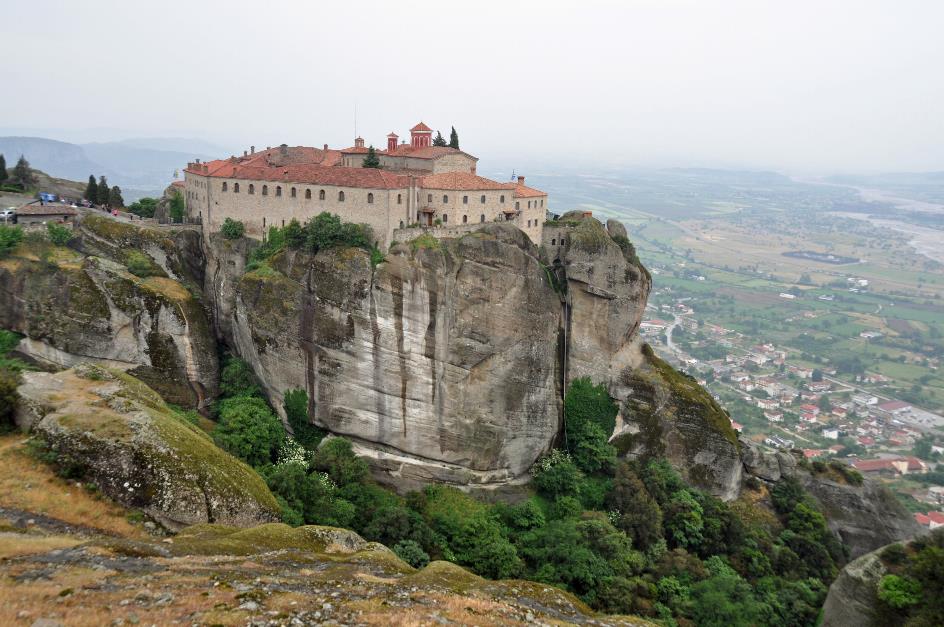
Around 1190, the ascetic Jeremiah lived on this 528 m-high rock
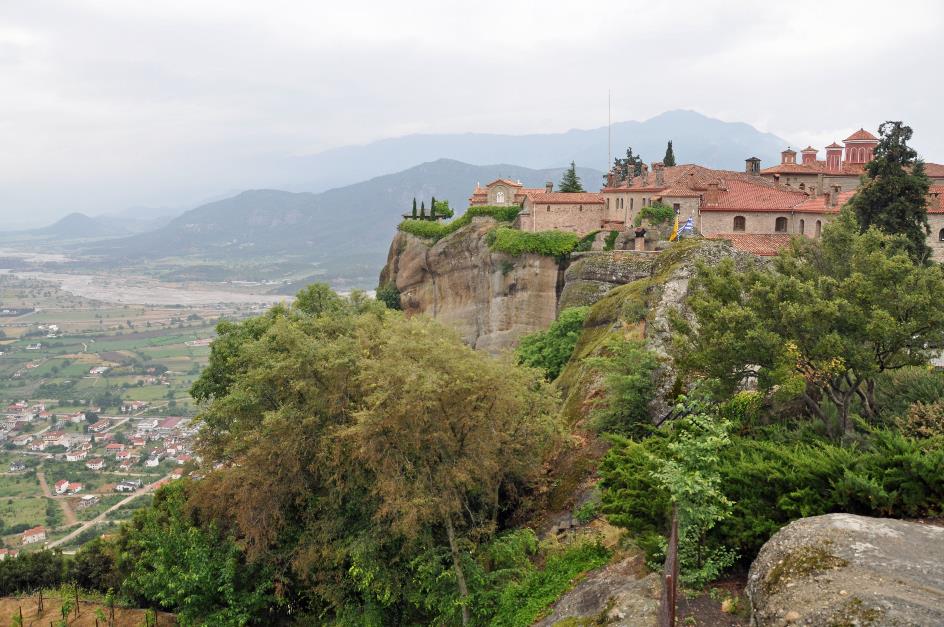
The construction of the Monastery of Saint Stephen began in the 14th century and was completed in the 16th century
A small bridge connects the monastery to the outside world |
|
The historic katholikon, or main church, dates from the 15th century |
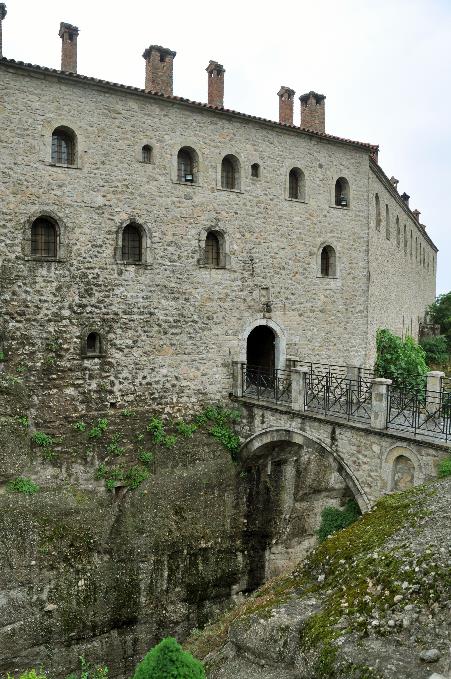
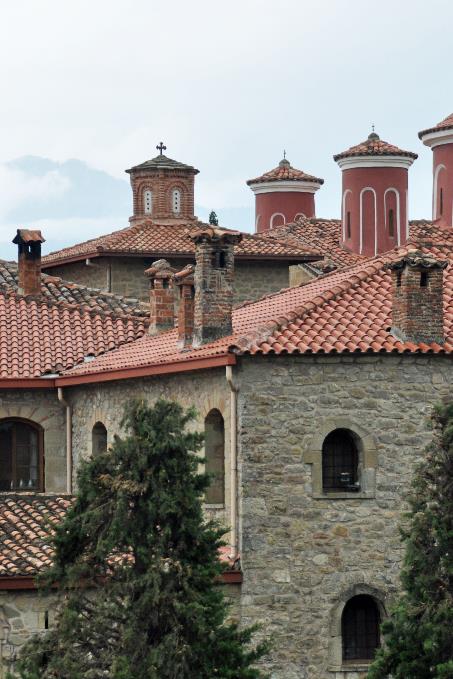
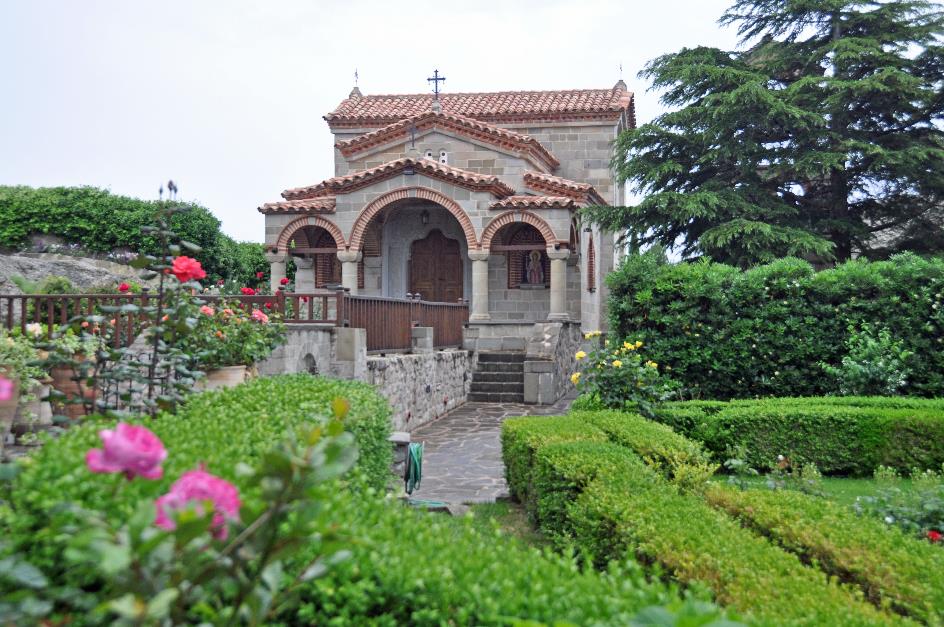
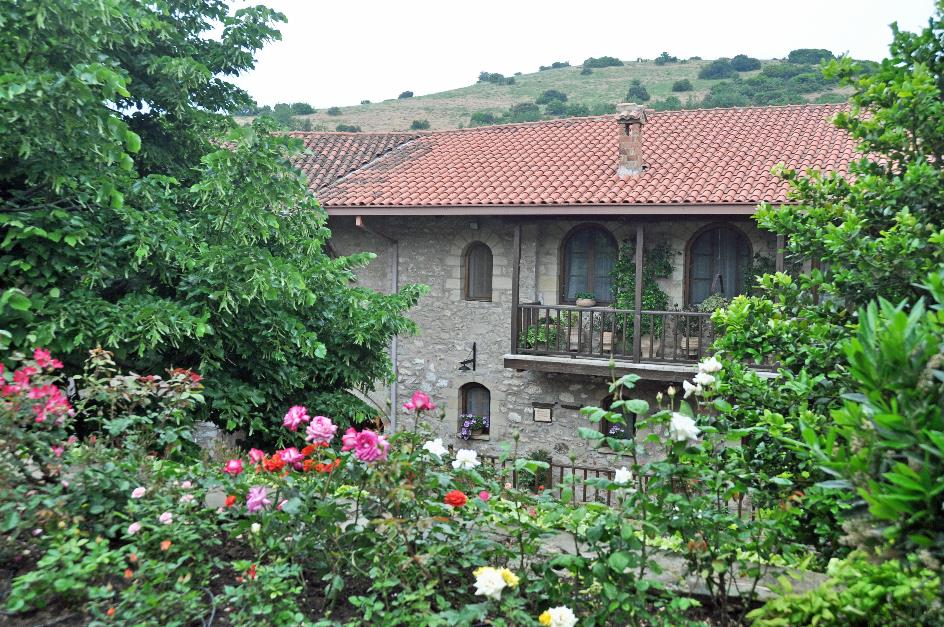
Since 1961, it has been a nuns’ monastery – the only one in Meteora
Monastery of the Holy Trinity (Agia Triada)
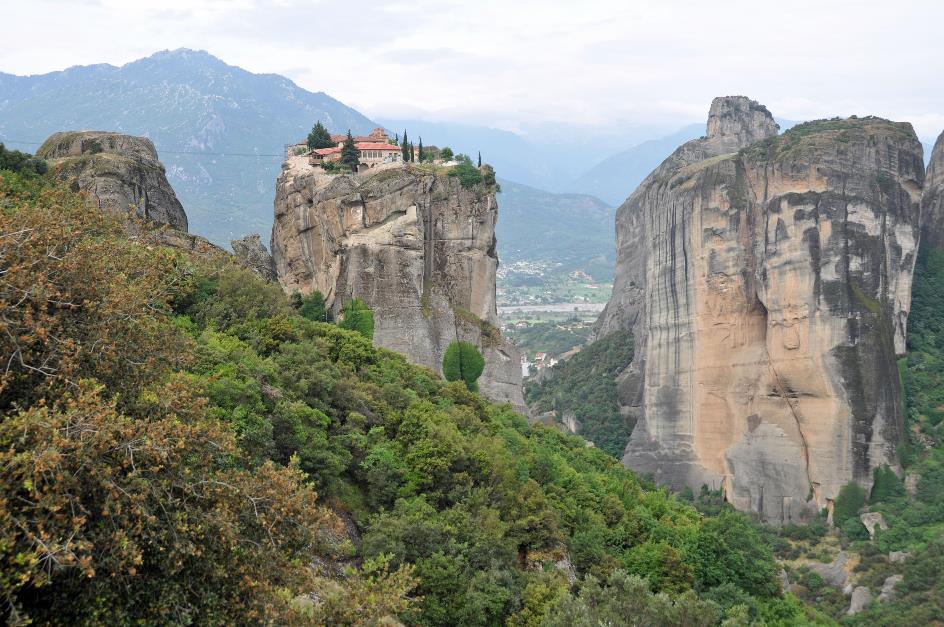
The Monastery of the Holy Trinity (Agia Triada) is located on an impressive free-standing rock pillar, 535 m high. This spectacular setting was featured in the James Bond film For Your Eyes Only
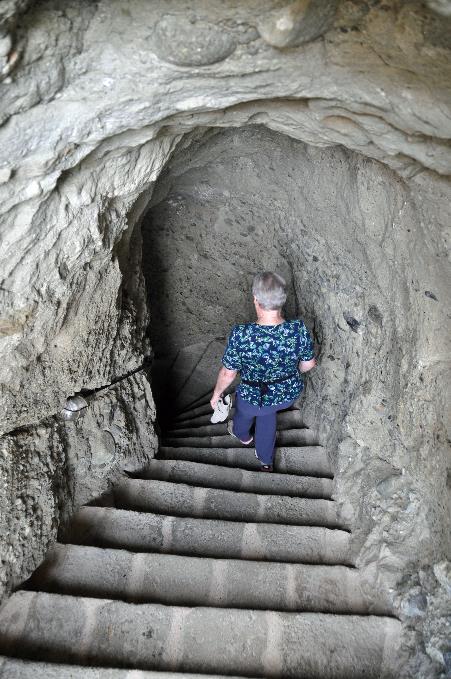
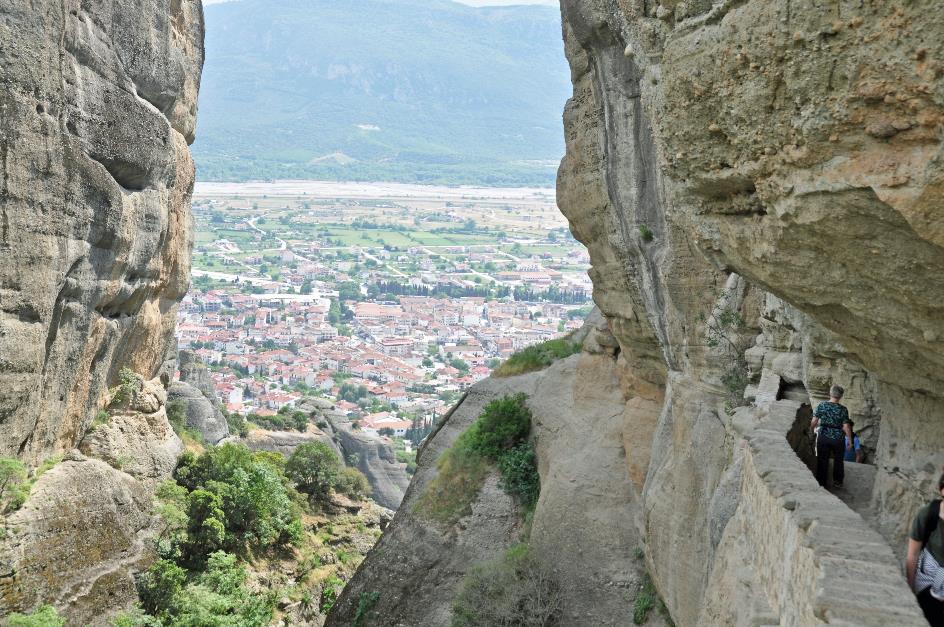
Today, visiting the monastery is still a real challenge |
|
The path first leads down to the bottom of the gorge… |
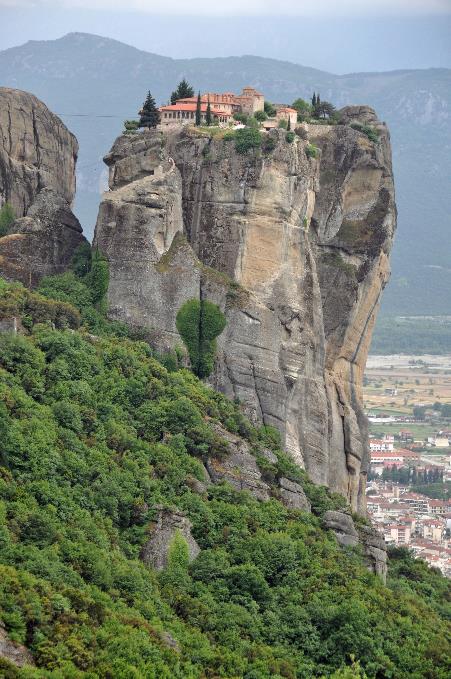
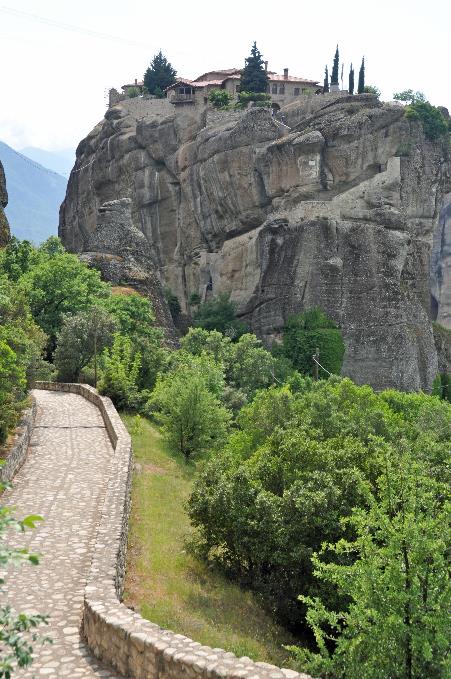
…before climbing up the rock face on the opposite side |
|
|
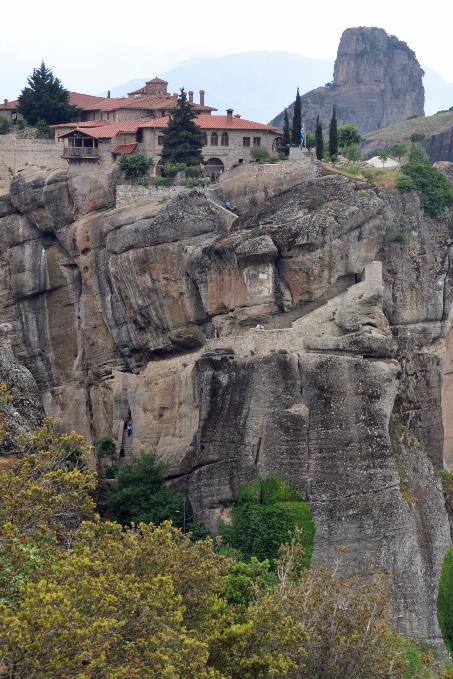
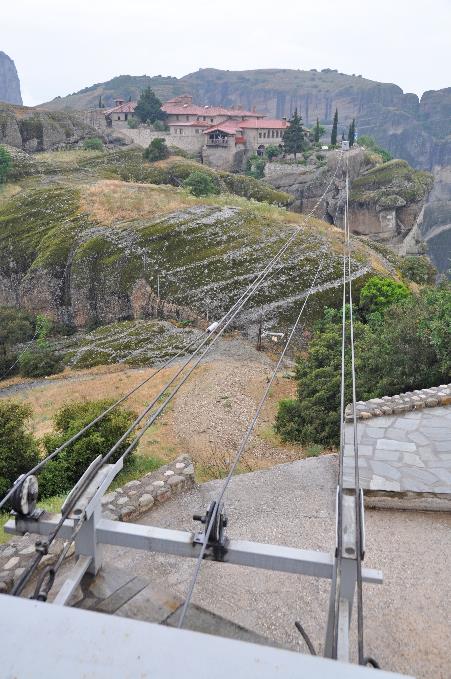
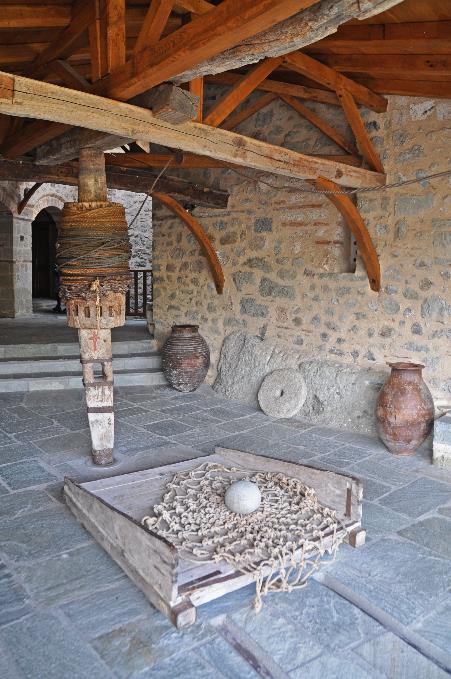
Traditionally, supplies to the monastery were brought in via a kind of cable lift. Goods, and even people, were transported across the gorge in a net made of woven rope |
|
That required considerable trust, as the ropes were only replaced “when the Lord allowed them to break” |
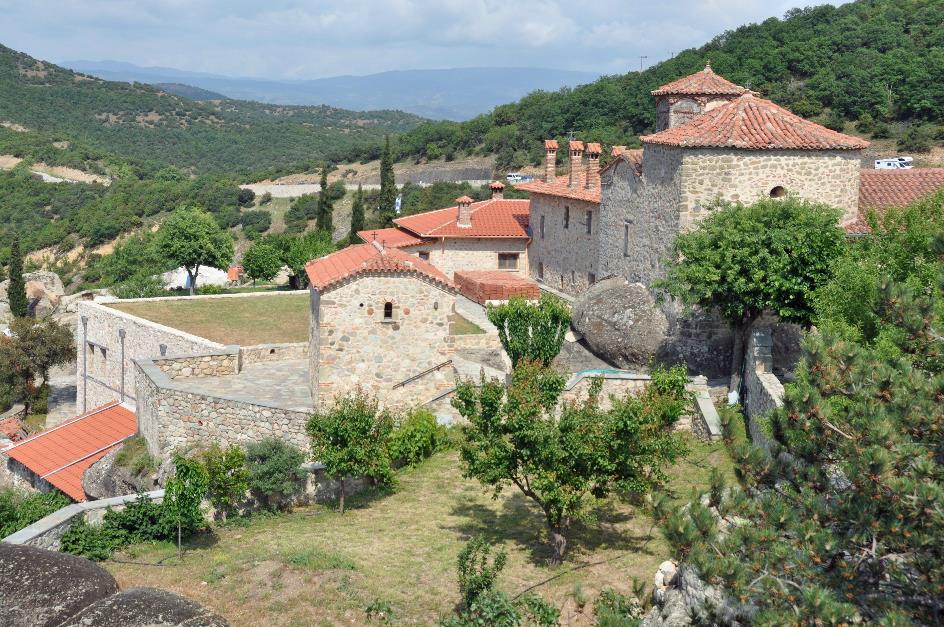
The monastery buildings date from the mid-15th century
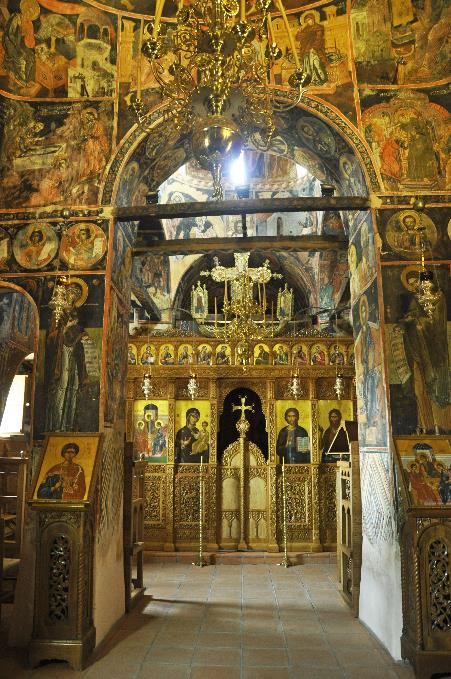
Interior of the katholikon (1475) |
|
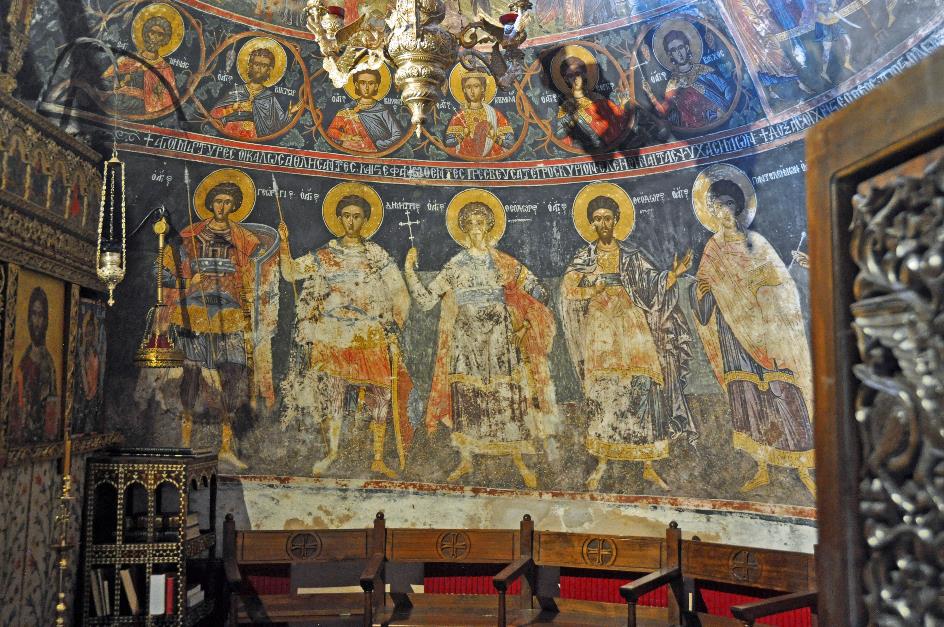
The frescoes date from 1741 |
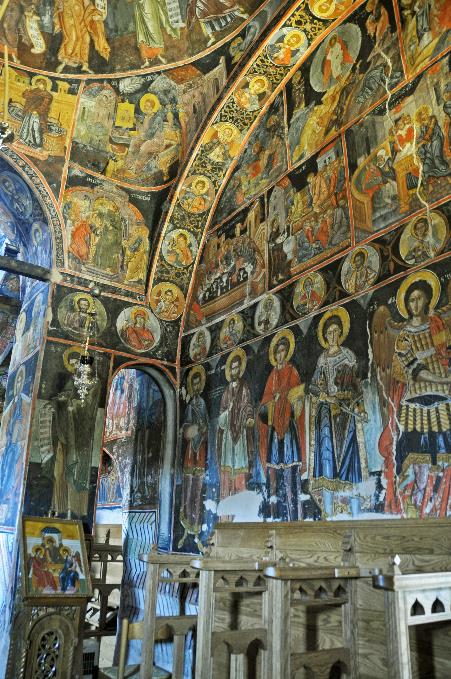
Chapel of John the Baptist (1682)
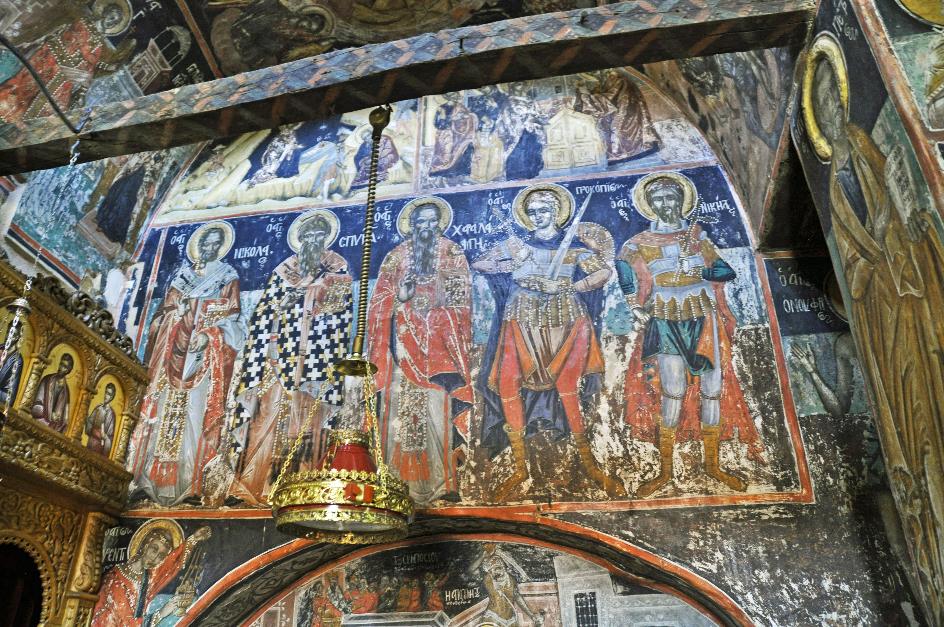
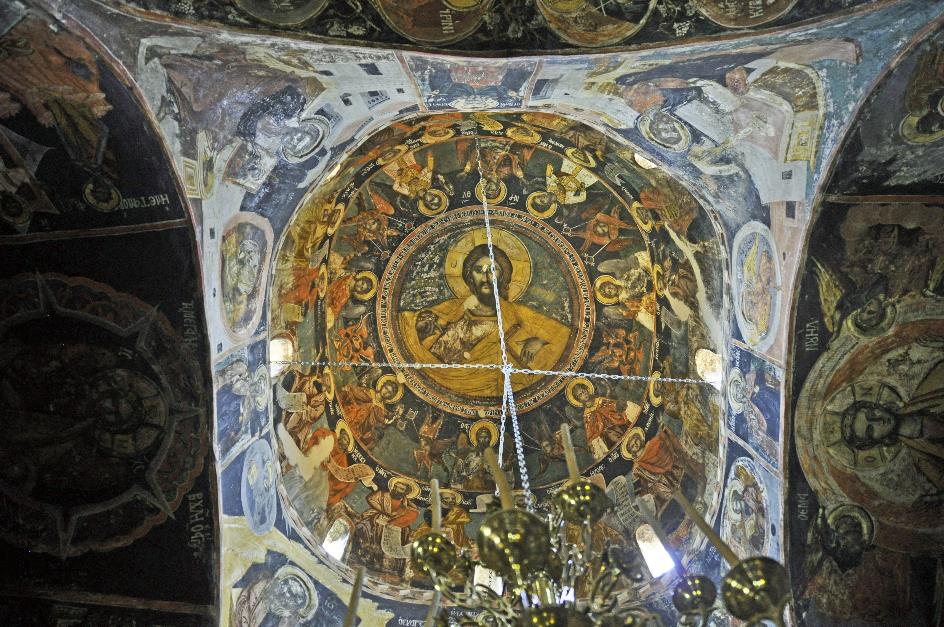
A Christ Pantocrator adorns the dome, with the four Evangelists on the pendentives
Monastery of Rousanou
|
|
|
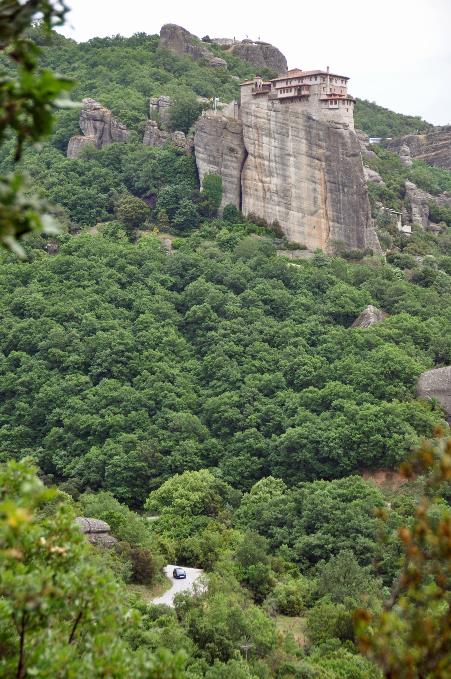
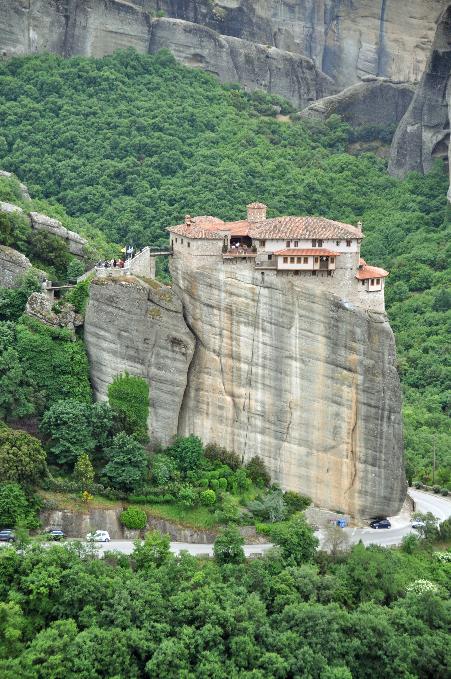
At 484 m high on a thin, almost vertical cliff, the Monastery of Rousanou seems to defy the laws of gravity
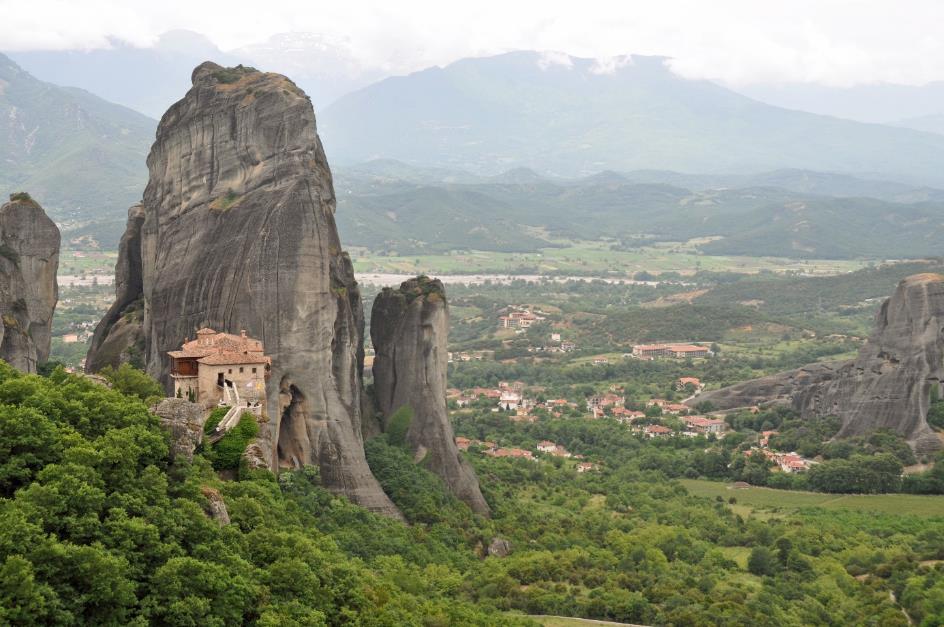
Work on the monastery as we know it began in 1527
|
|
|
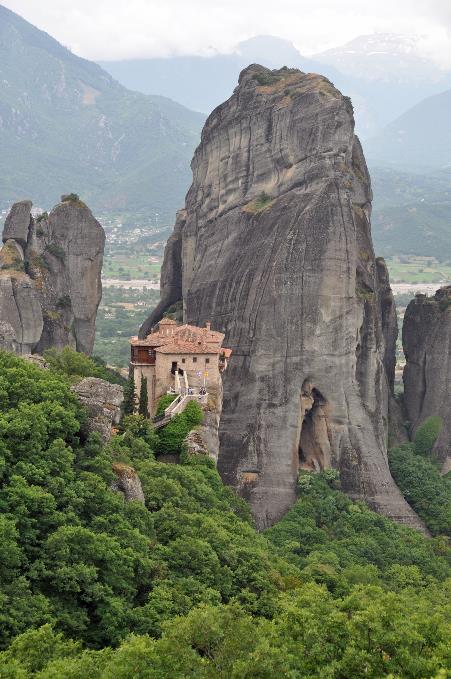
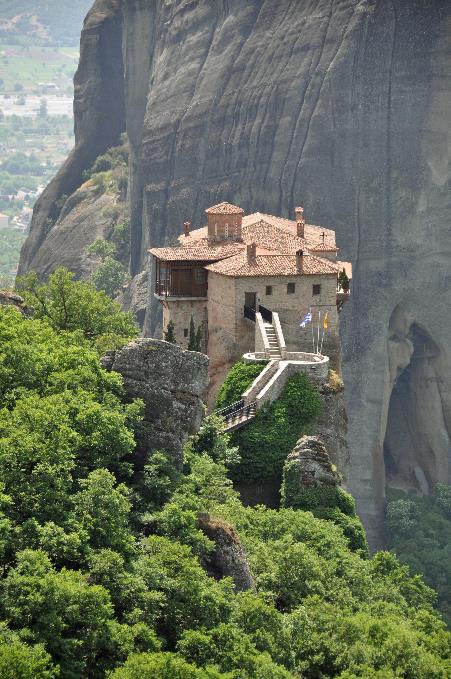
The katholikon is dedicated to the Transfiguration, in which Jesus revealed his divine nature to the apostles Peter, John and James on Mount Tabor
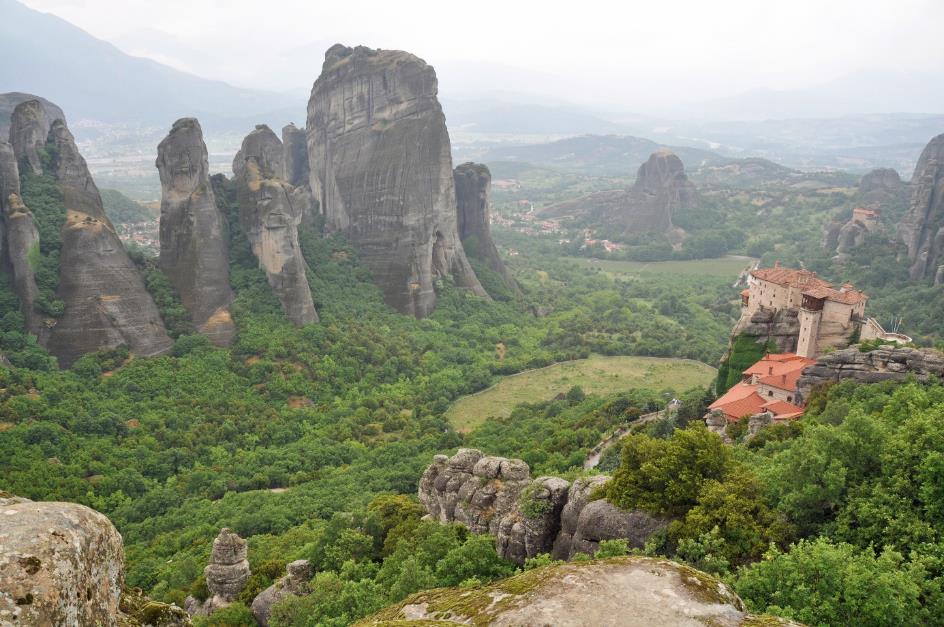
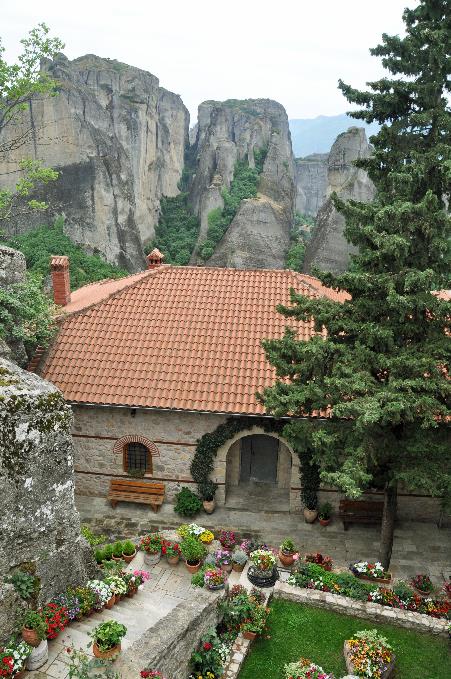
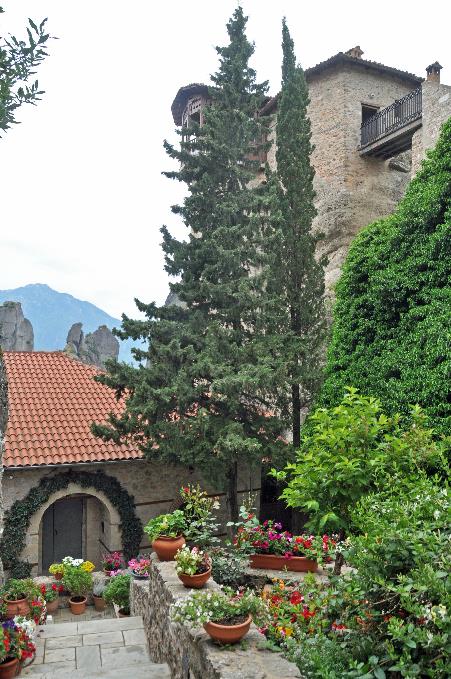
The Monastery of Rousanou is perhaps the most photogenic monastery in Meteora
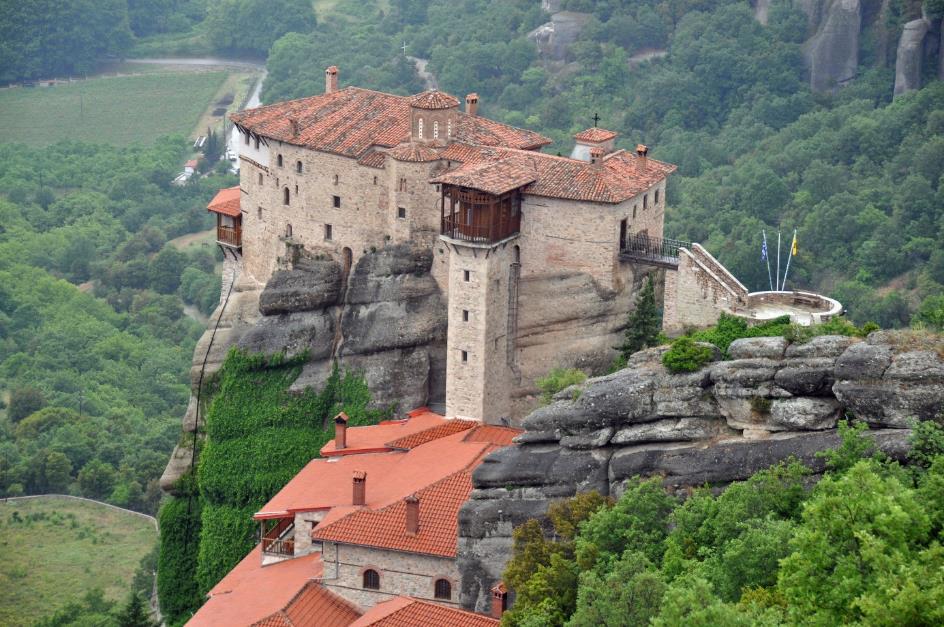
Given the limited space, the monks were forced to build upwards, so the structure has three storeys. It must have been a very difficult and dangerous undertaking to build a monastery at such height and in such a confined space
Since 1998, a community of nuns has taken up residence in the monastery |
|
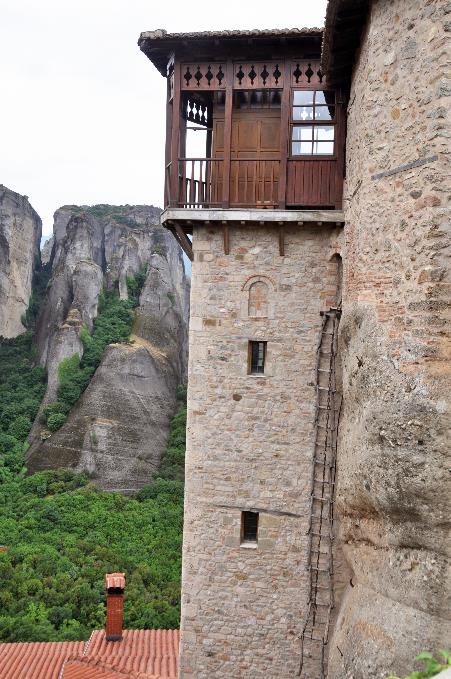
Note the ladder that monks once used to enter the monastery |
|
|
|
Monastery of Saint Nicholas Anapausas
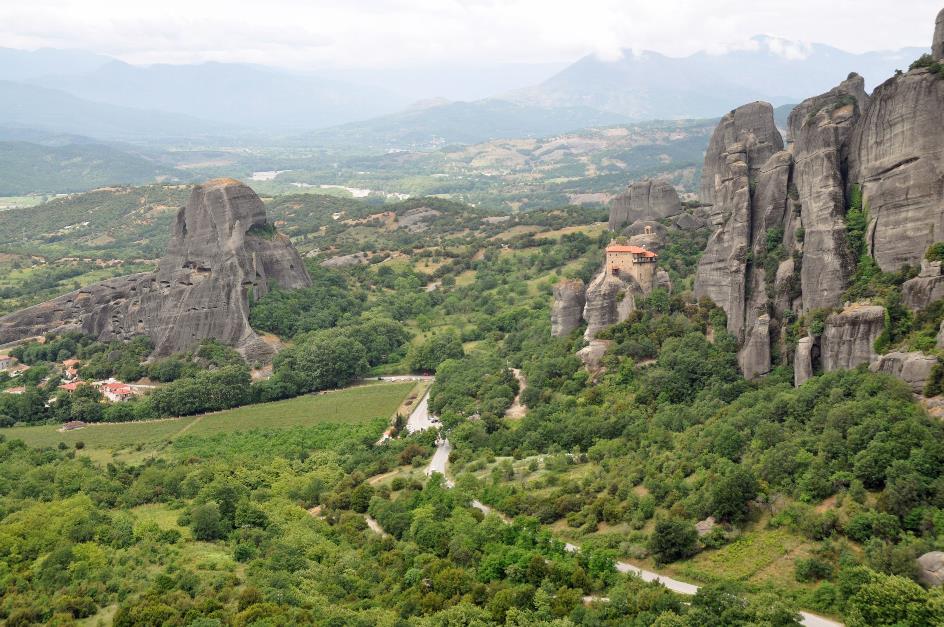
At 419 m in height, the Monastery of Saint Nicholas Anapausas is the lowest-lying monastery of Meteora
|
|
|
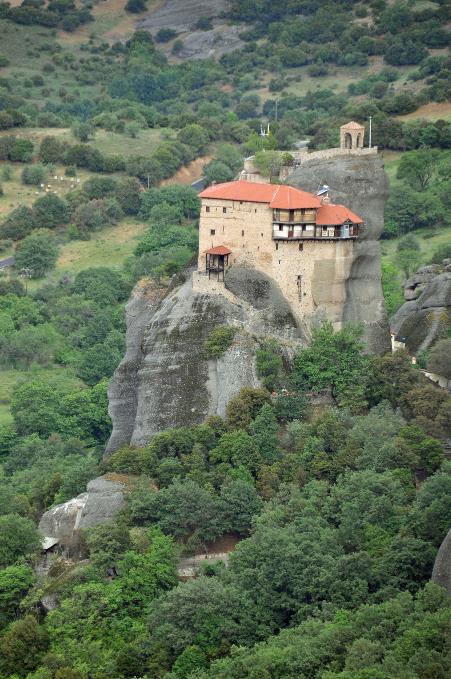
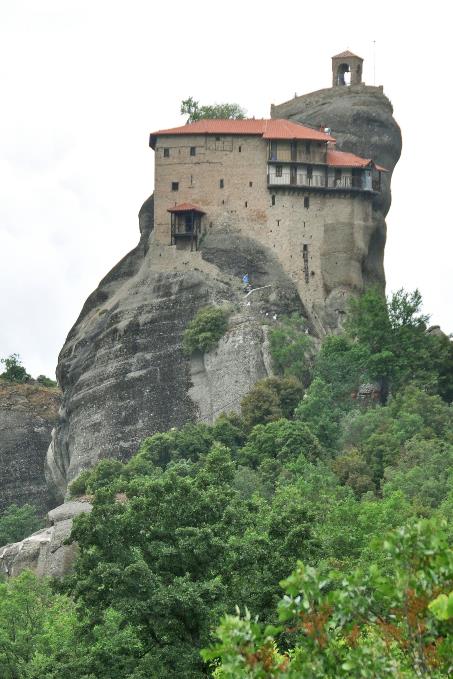
A climb of around a hundred steps leads you to the 14th-century building
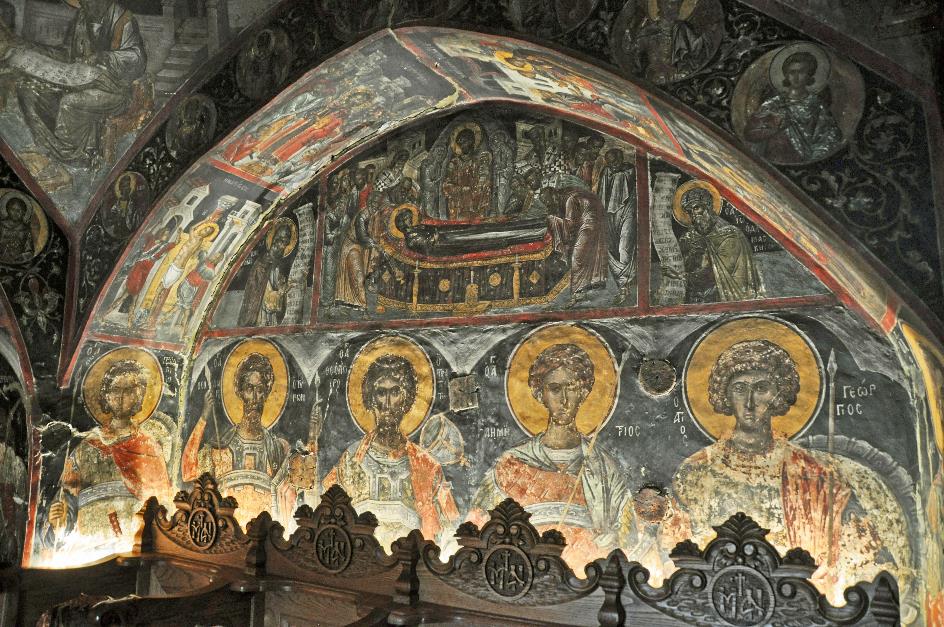
In 1527, the influential Theophanes the Cretan (Theophanis Strelitzas) painted several frescoes in the narthex and katholikon of the monastery
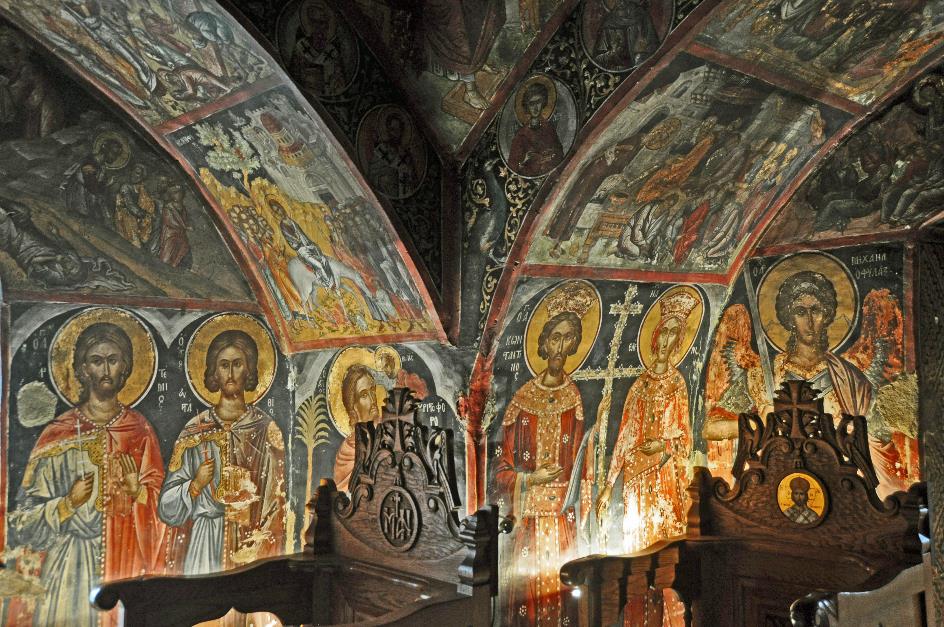
Life-sized depictions of saints, including Saint Constantine and Saint Helena (between the two chairs)
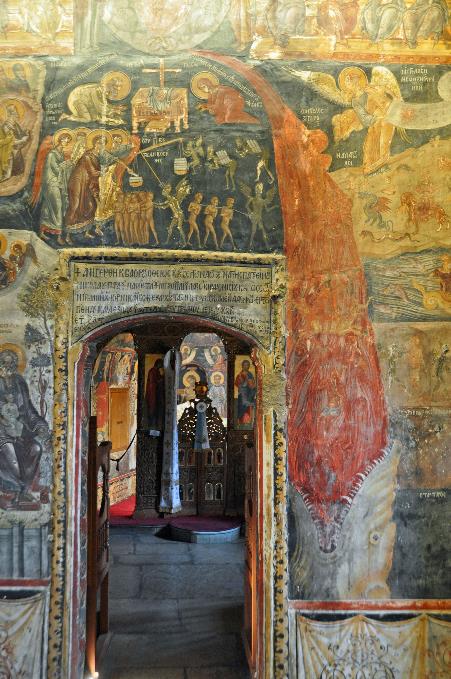
The Last Judgment (above the passage) and a fire-breathing dragon (lower right) |
|
Saint Theophanes (second from the left) |
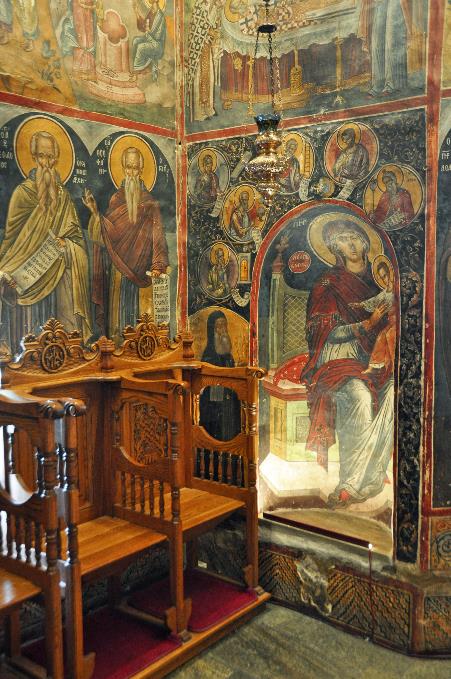
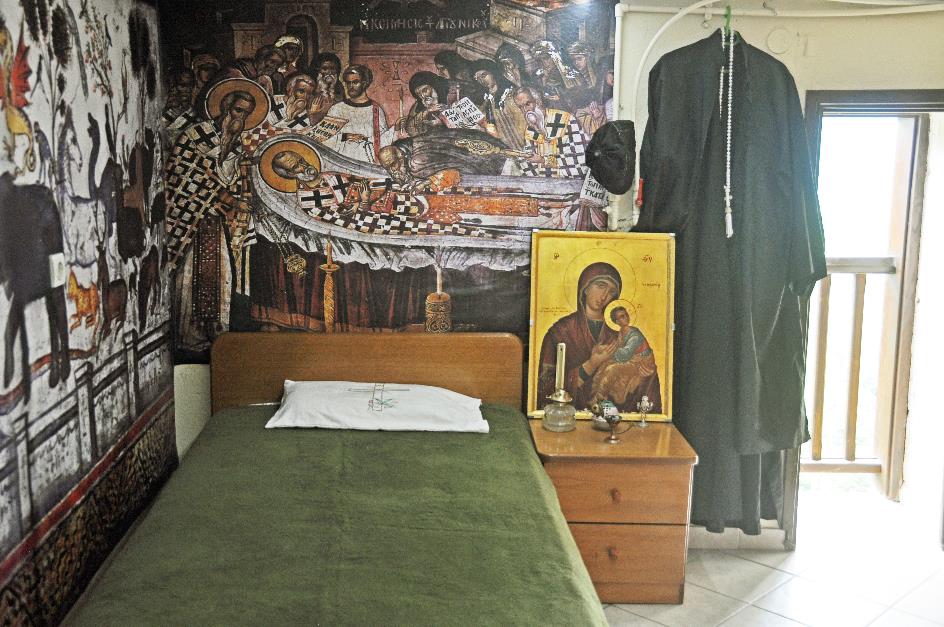
Monastic cell with the Dormition of Saint Nicholas
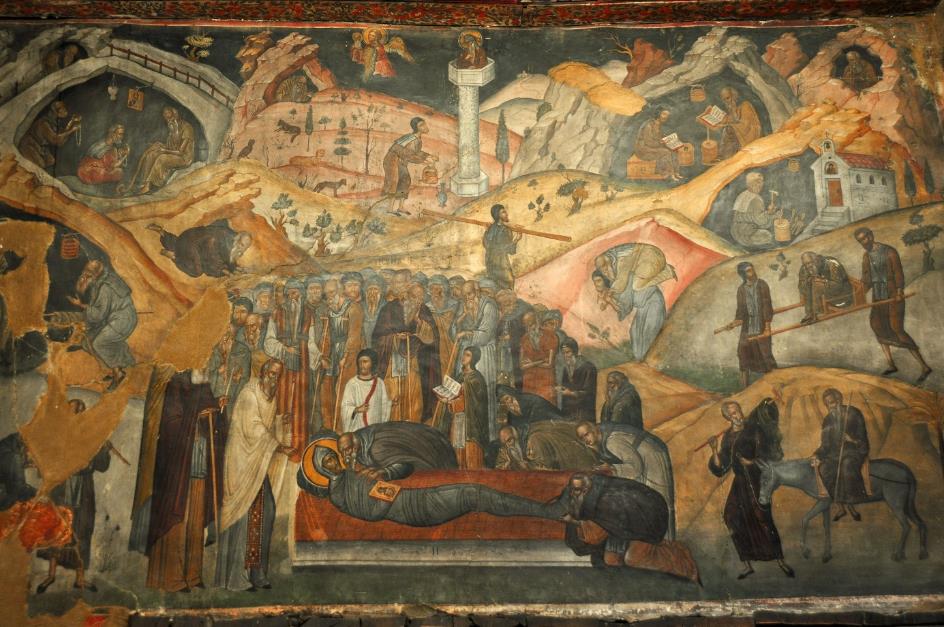
Dormition of Saint Ephrem the Syrian
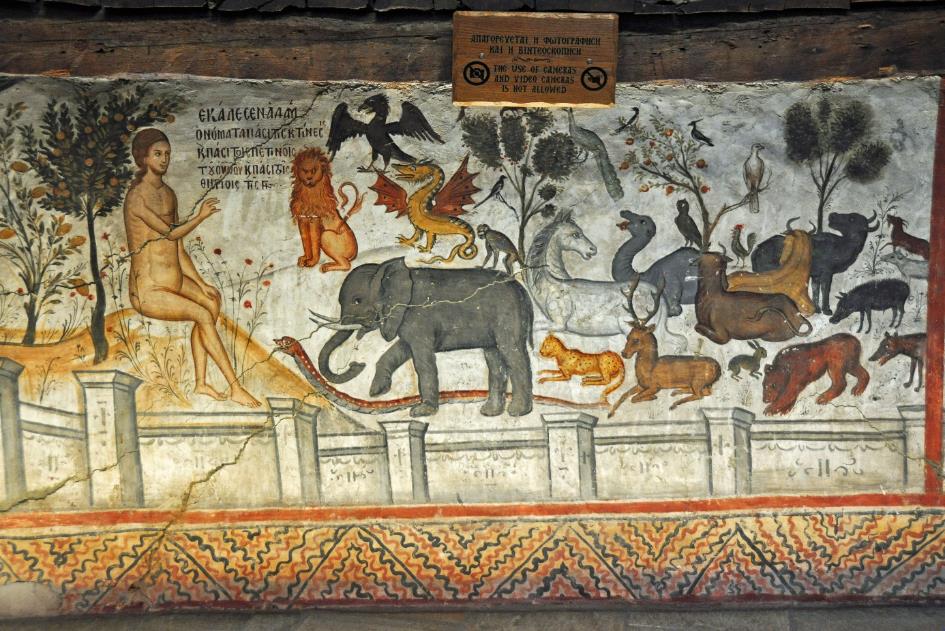
“Thus, Adam gave names to all livestock, all the birds in the air, and all the wild animals” (Genesis 2:20)
Monastery of Varlaam
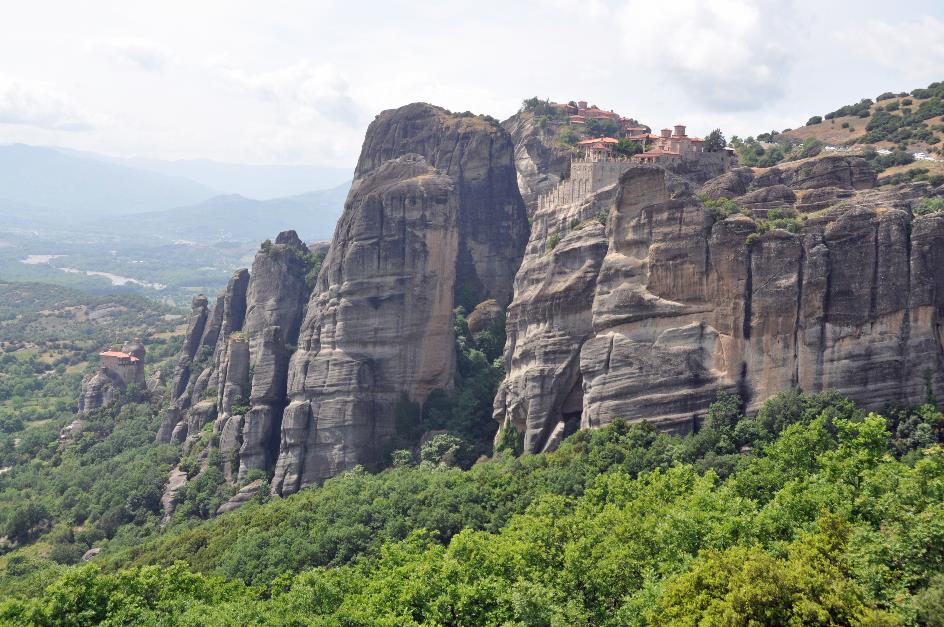
The Monastery of Varlaam overlooks the surrounding landscape from a 551 m-high cliff. In the valley at the back left, the Monastery of Saint Nicholas Anapausas can be seen
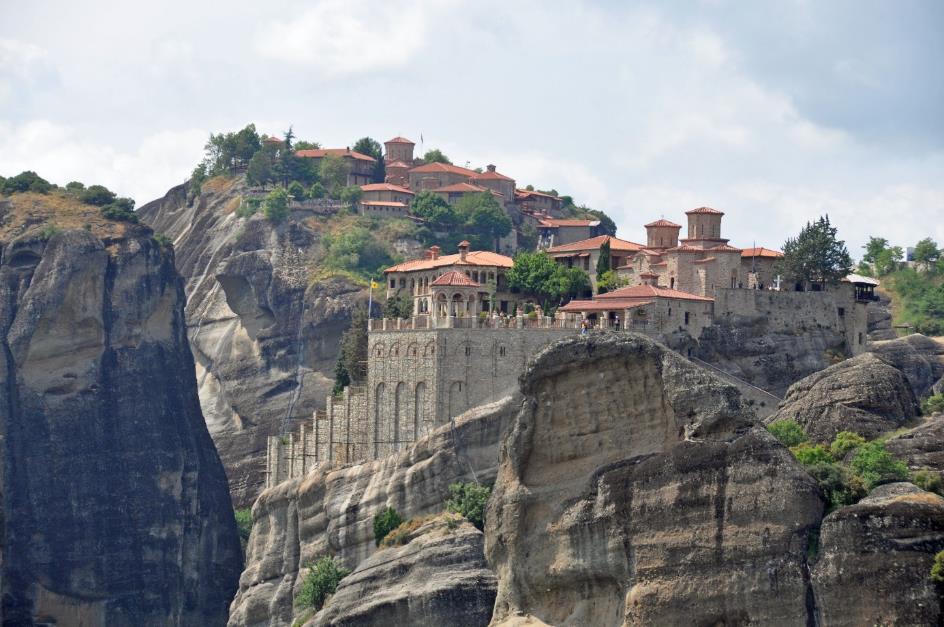
The Monastery of Varlaam is the second most important of the Meteora monasteries. It is only surpassed by the higher-lying Monastery of Great Meteoron – both literally and figuratively
The Monastery of Varlaam seen from the southeast… |
|
…and from the northwest |
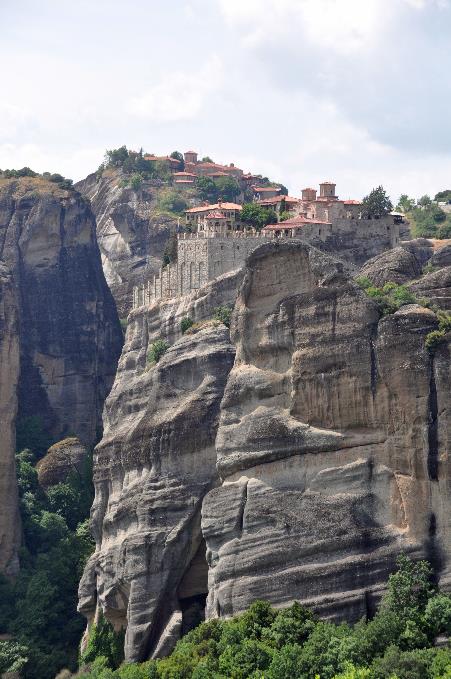
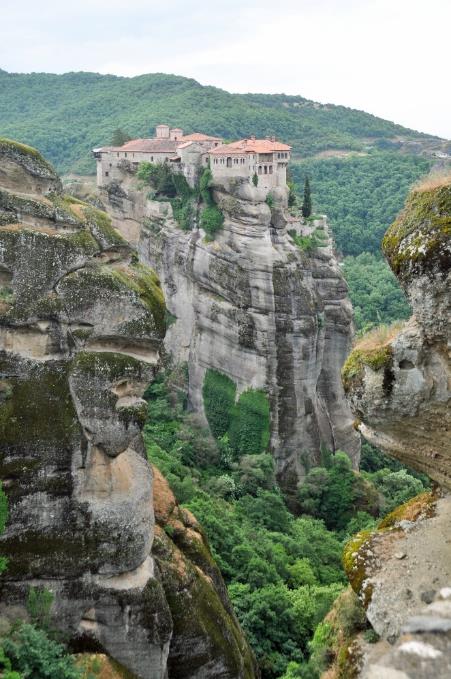
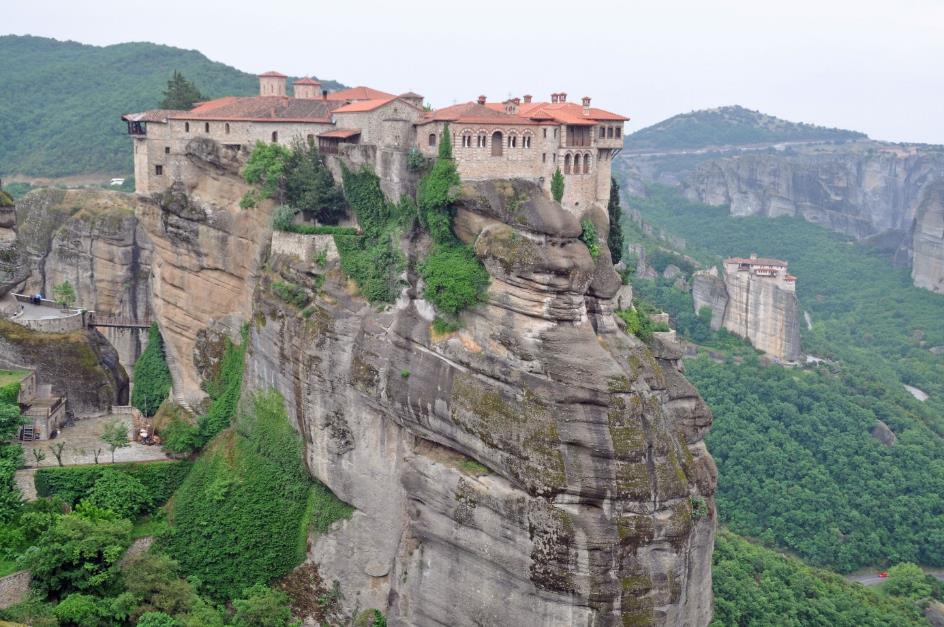
Like the Monastery of Rousanou (back right in the valley), the Monastery of Varlaam probably takes its name from the first inhabitant of the cliff on which it was built. In 1350, the devout hermit Varlaam withdrew here and built the chapel of the Three Hierarchs
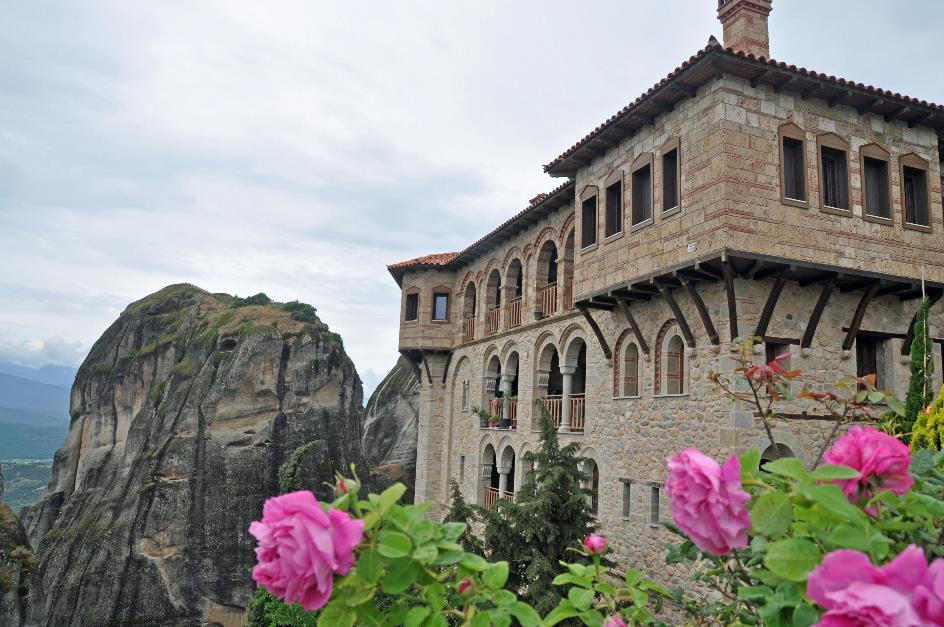
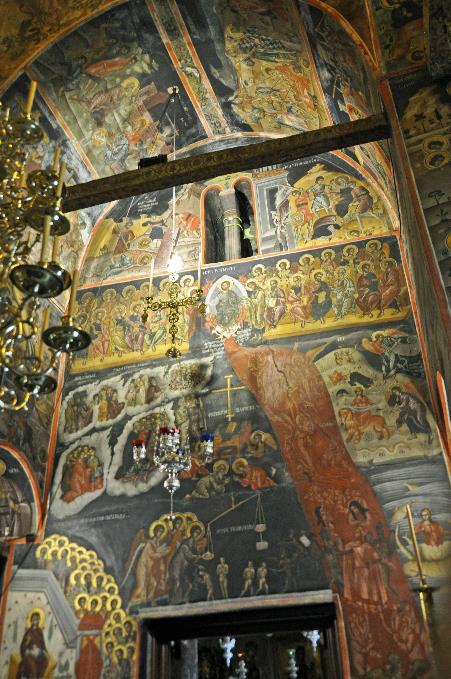
Written sources show that the monastery church was completed in just twenty days in 1542. However, it had taken 22 years beforehand to transport all the necessary materials up to the site
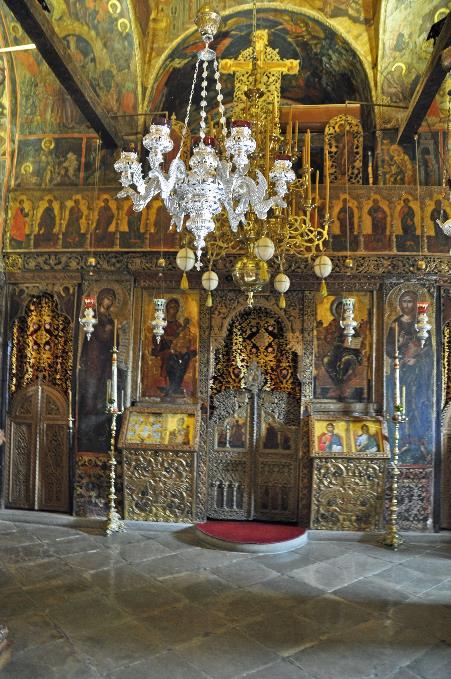
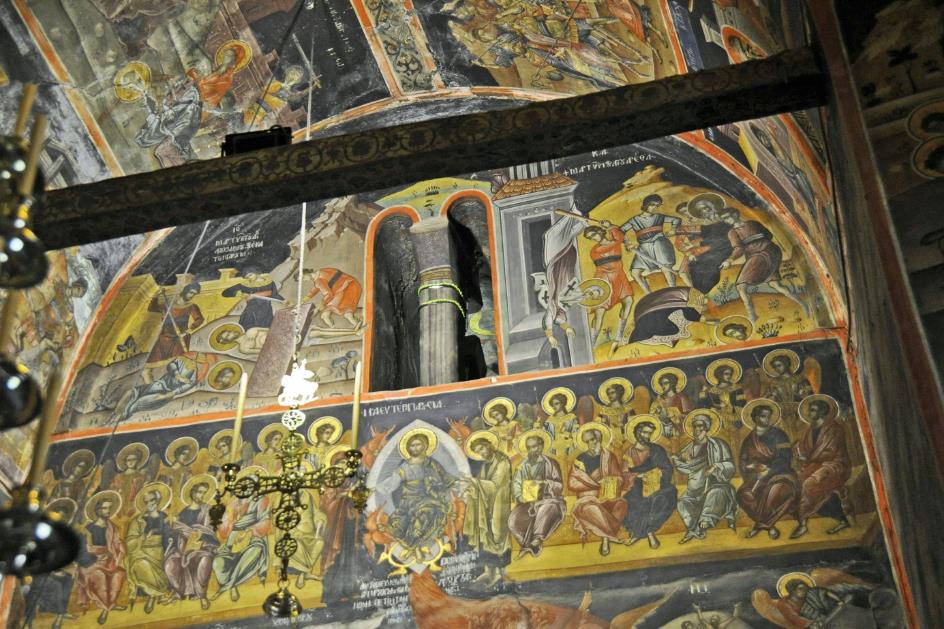
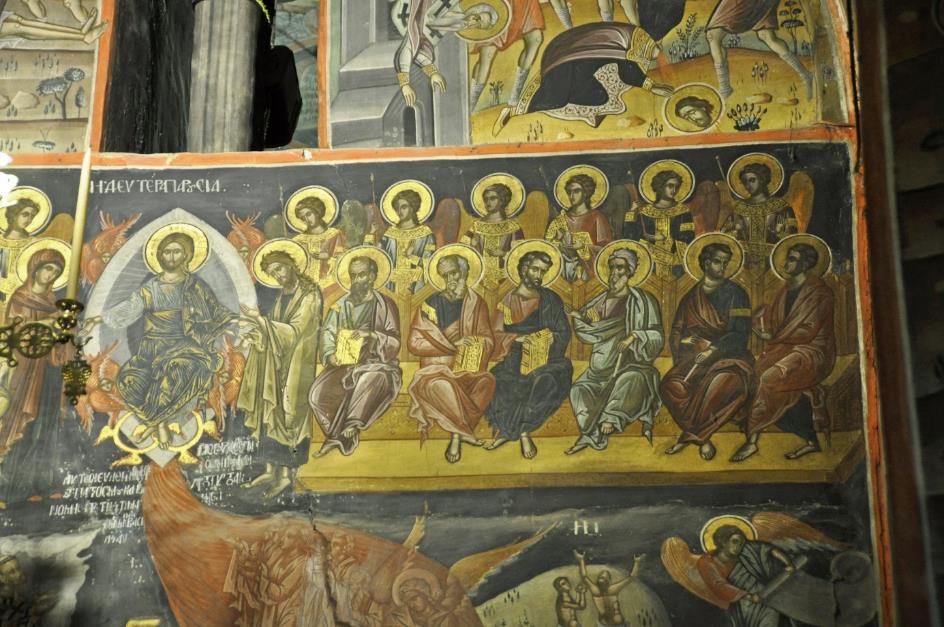
The katholikon is dedicated to All Saints and was built in 1541 – 1542 by the priest-monks Theophanes the Cretan and Nektarios |
|
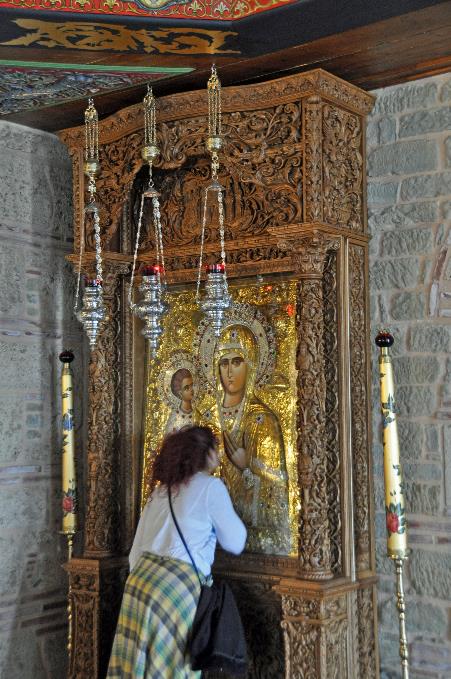
Notable is the gilded woodcarving of the iconostasis (late 18th century) |
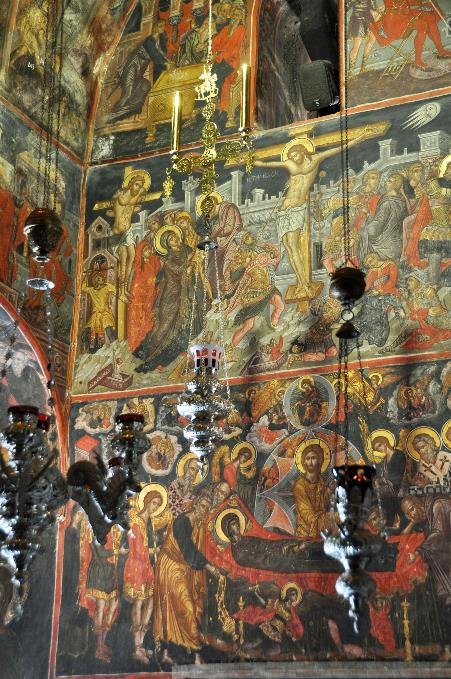
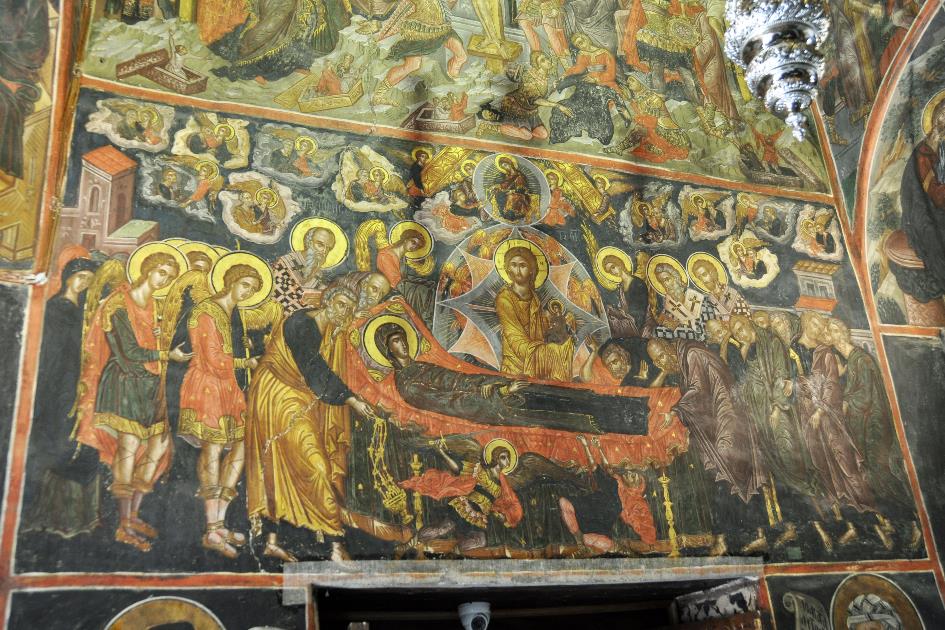
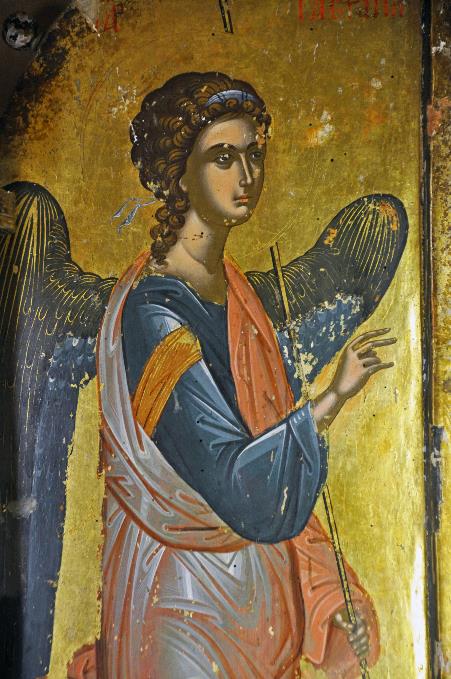
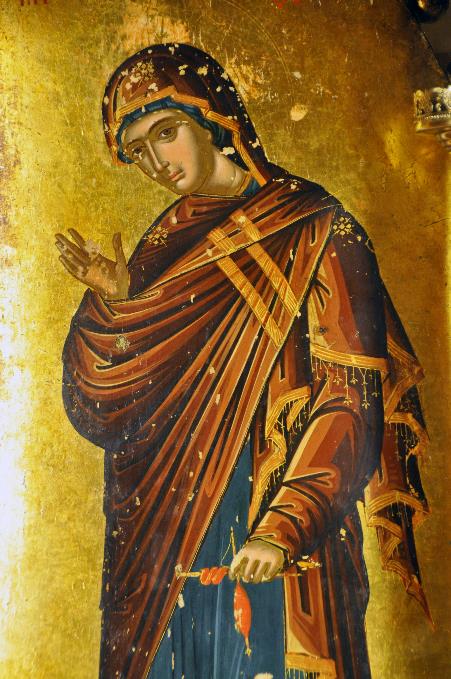
Dormition of the Virgin Mary
|
|
|
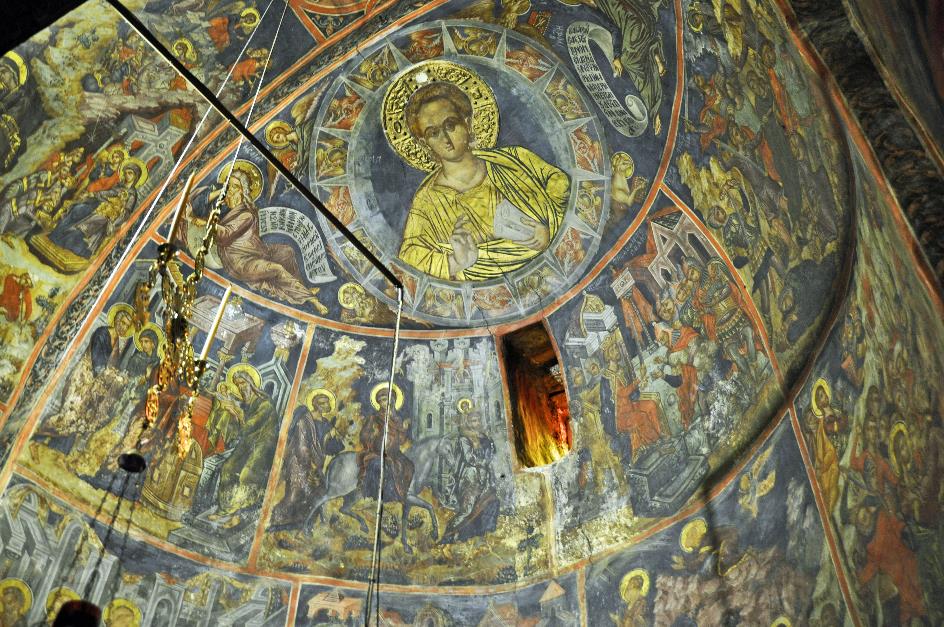
Monastery of Great Meteoron
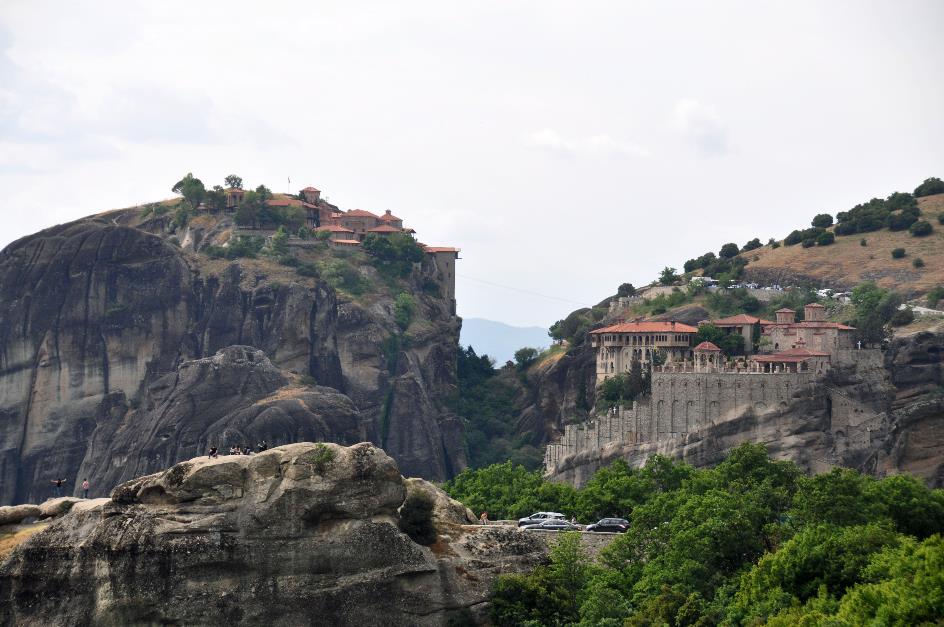
The Monastery of Great Meteoron, dedicated to the Transfiguration, is located at an altitude of 613 m, making it the highest monastery in Meteora. It lies more than sixty metres higher than the Monastery of Varlaam (to the right)
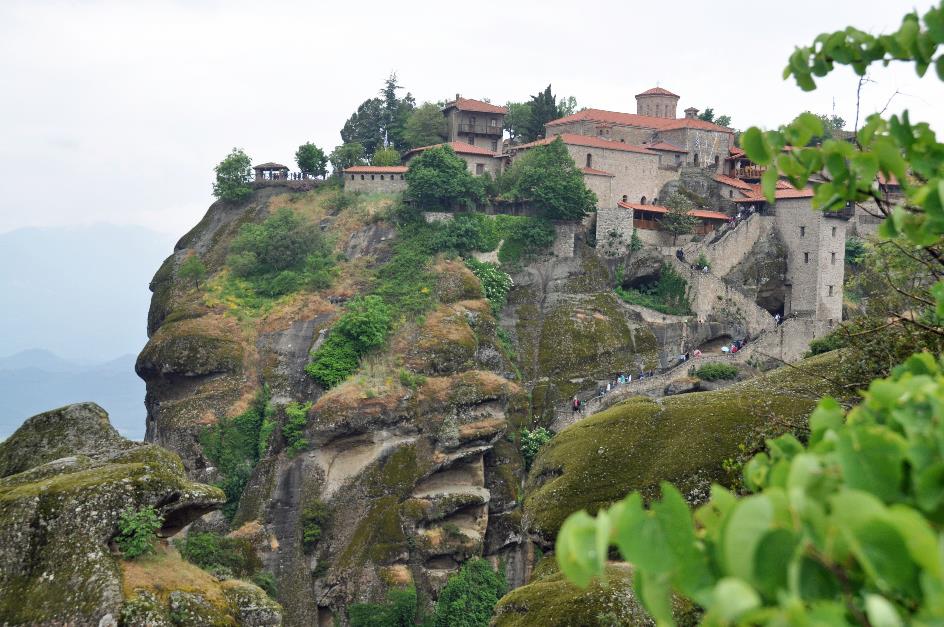
The Monastery of Great Meteoron was founded shortly before the mid-14th century by Saint Athanasios, marking the beginning of organised monastic life in Meteora. It is the oldest and largest monastery in the complex
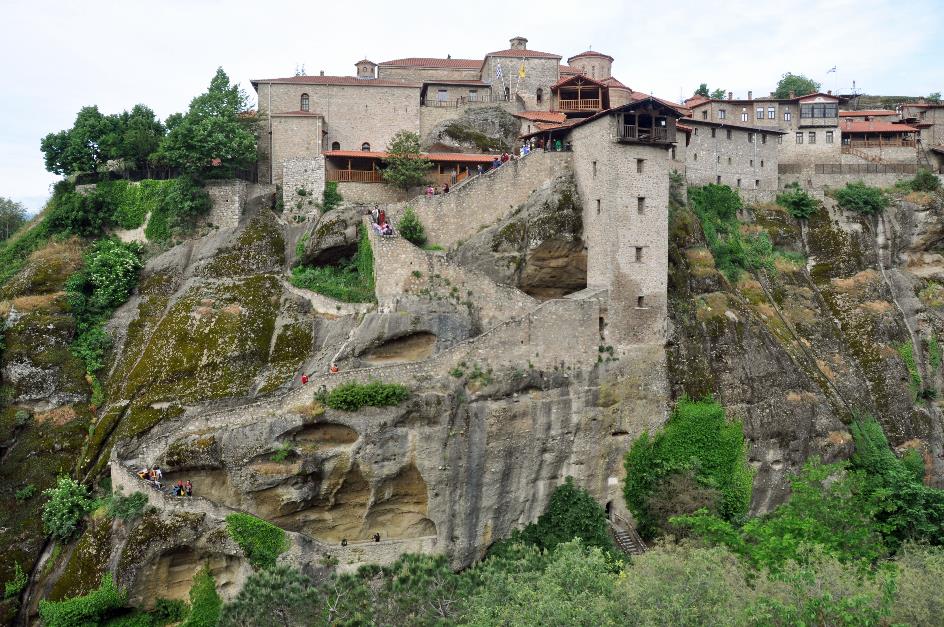
Originally, the monastery was accessible only via a 106 m-high tower. In 1922, a staircase was carved into the rock
|
|
Medieval frescoes at the entrance to the monastery |
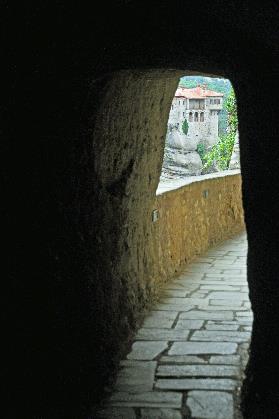
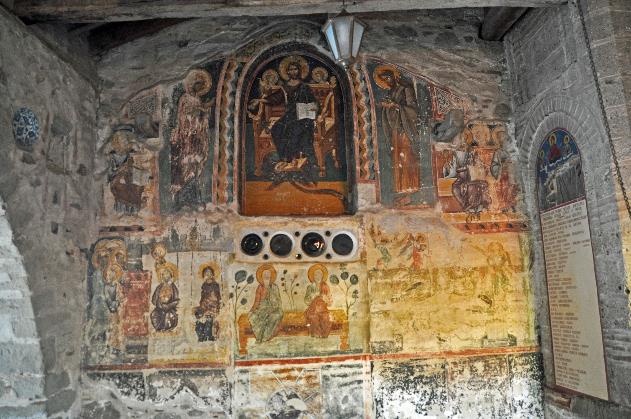
Originally, access to the monastery was only possible via a net of woven ropes operated by a winch, or by ladder |
|
Later, this transport system was installed |
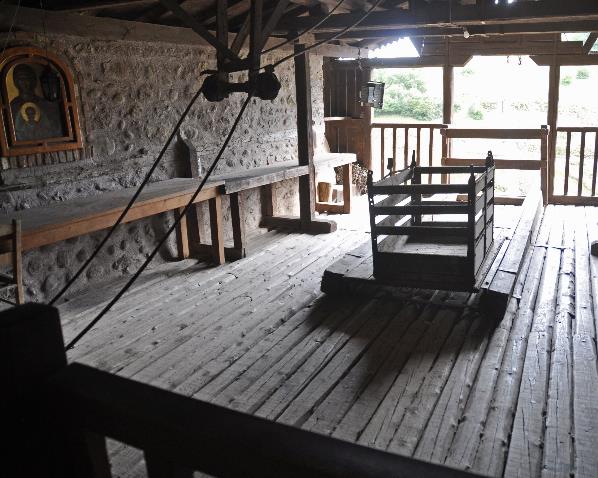
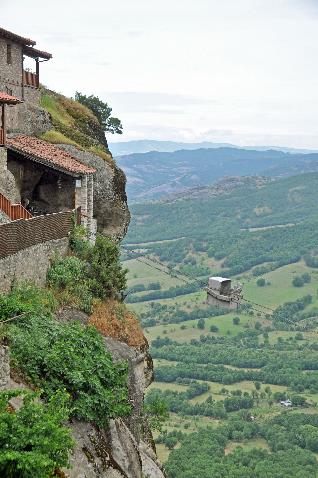
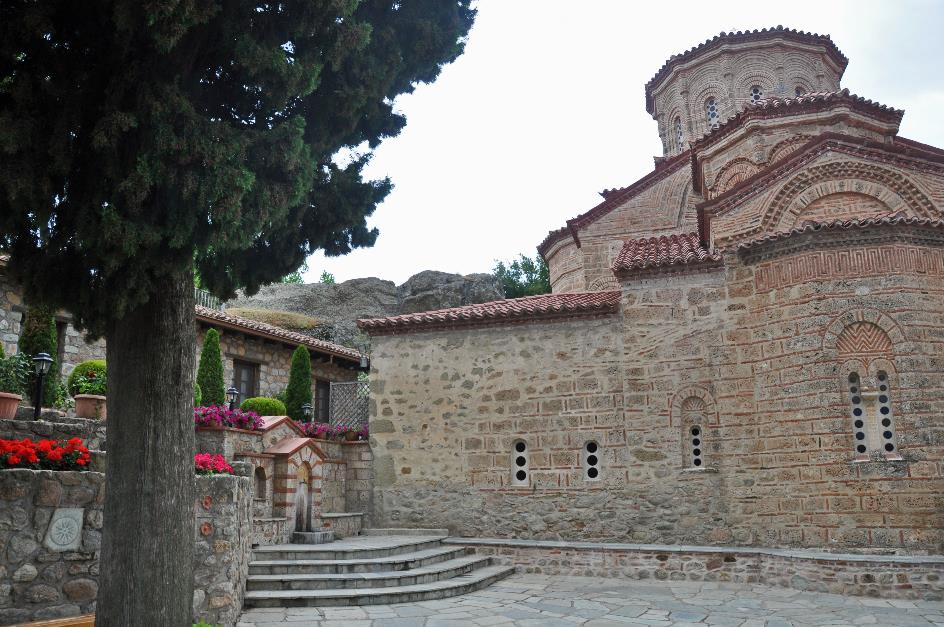
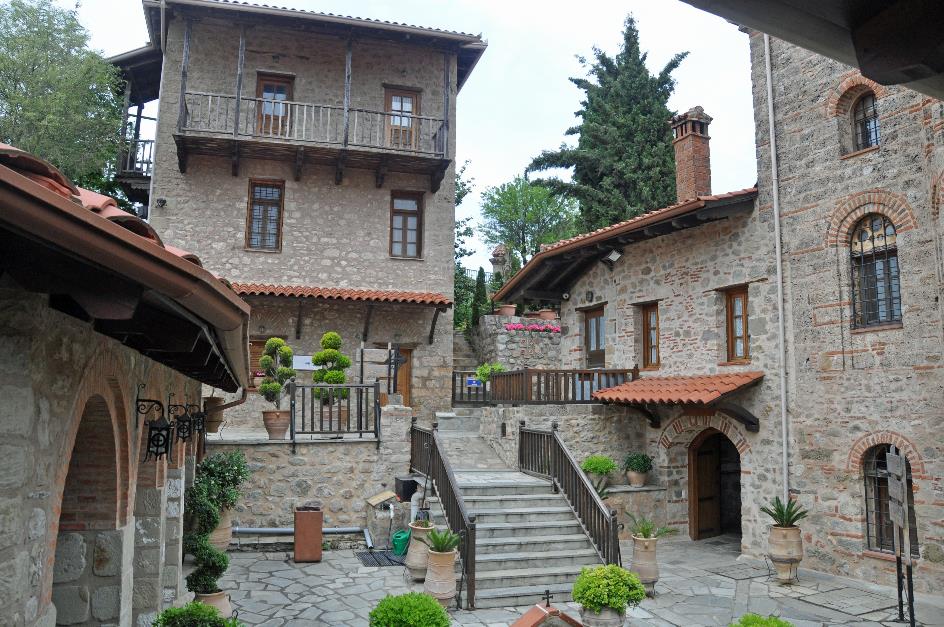
The construction of the katholikon was completed in 1387 or 1388
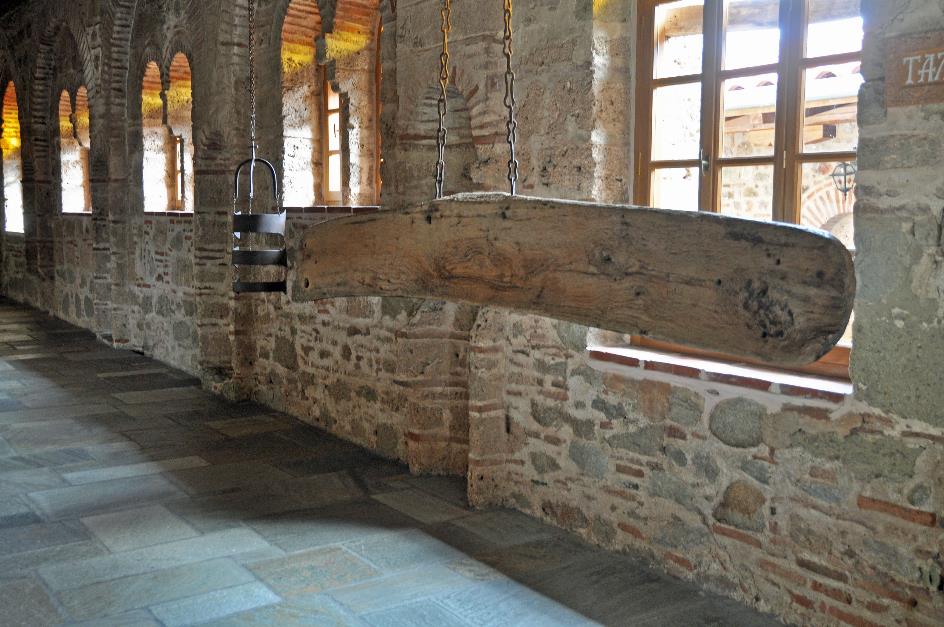
Noah struck a wooden board to summon the animals to the Ark and thus save them from the catastrophe of the Flood. In the same way, a monk strikes the talanton to call the other monks and the monastery’s visitors to the church for communal prayer, enabling them to escape the catastrophe of sin
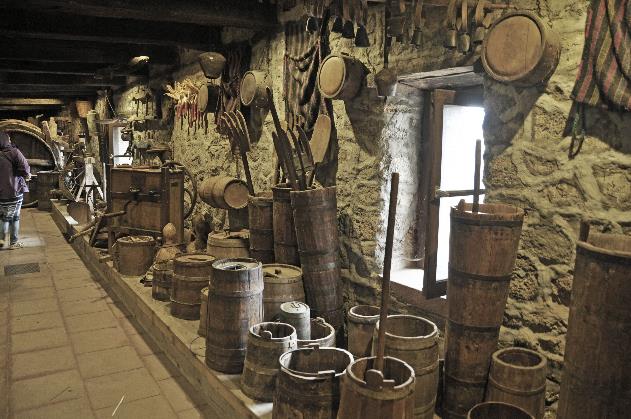
Kitchen |
|
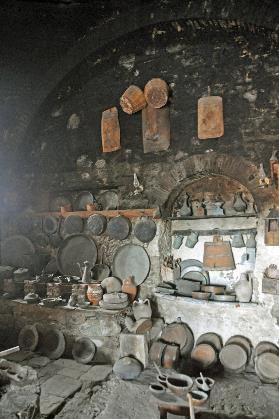
Workshop |
|
|
|
|
|
|
|
|
Jaak Palmans
© 2026 | Version 2026-06-12 14:00
